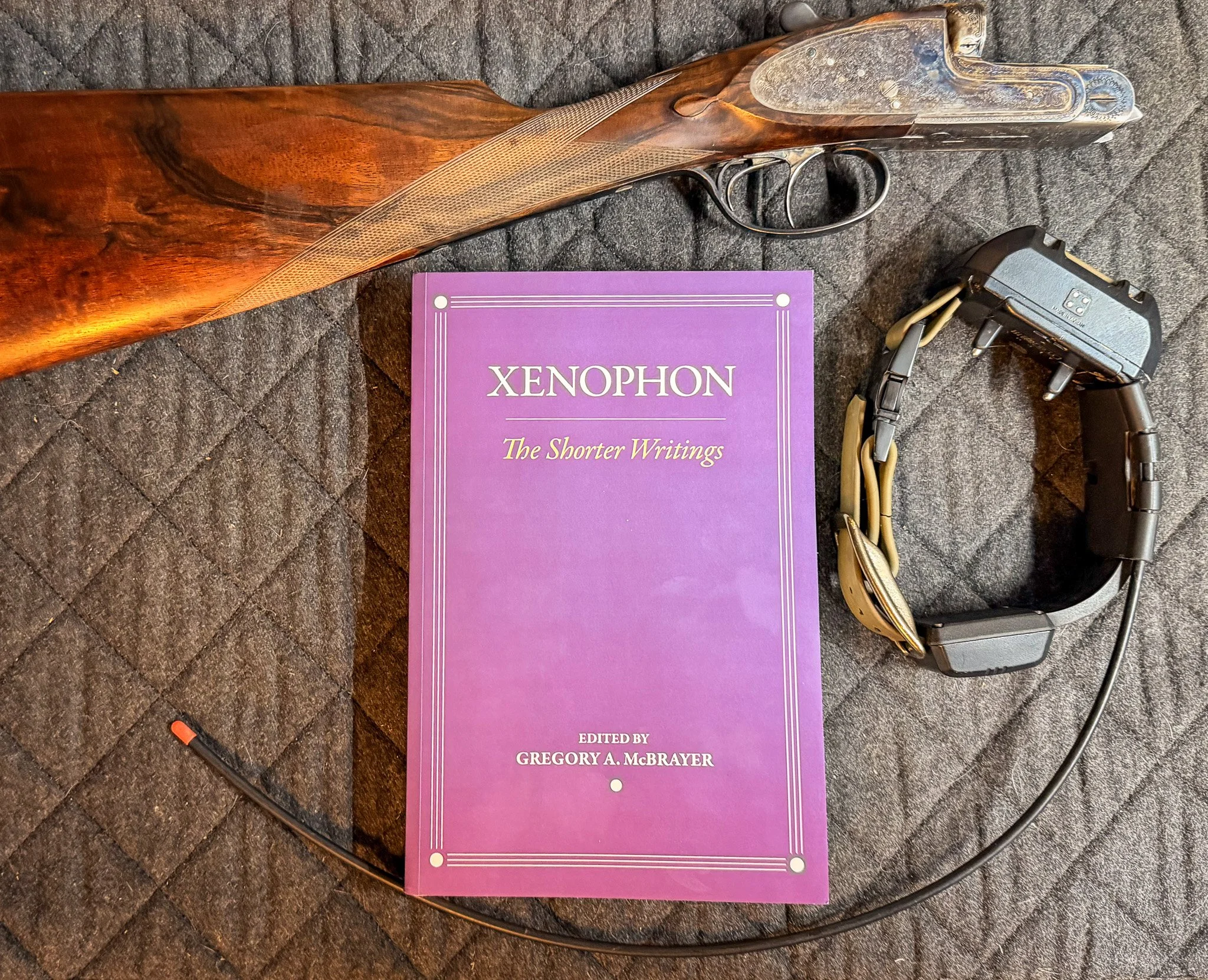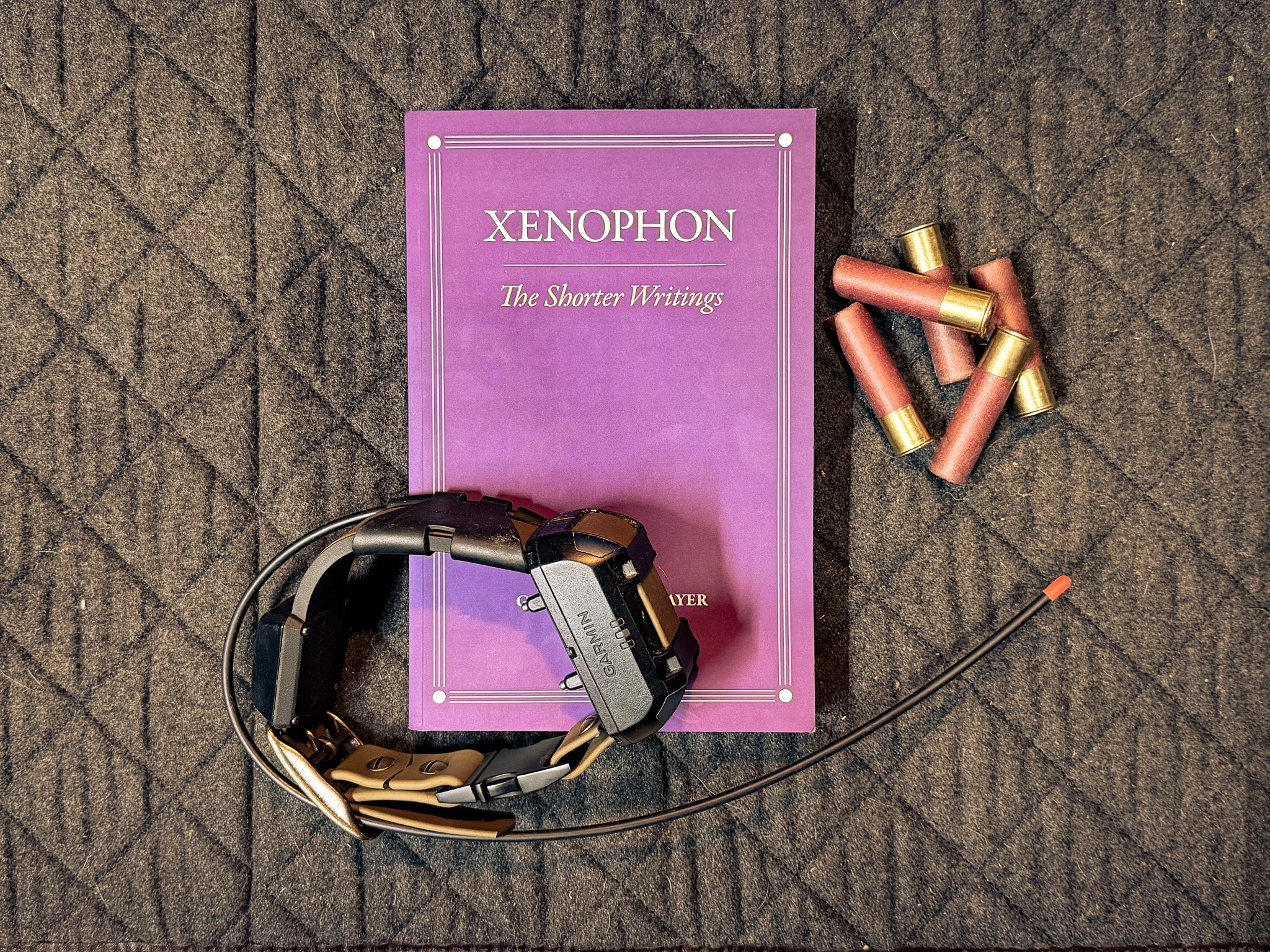
Xenophon: The Shorter Writings, edited by Gregory A. McBrayer.
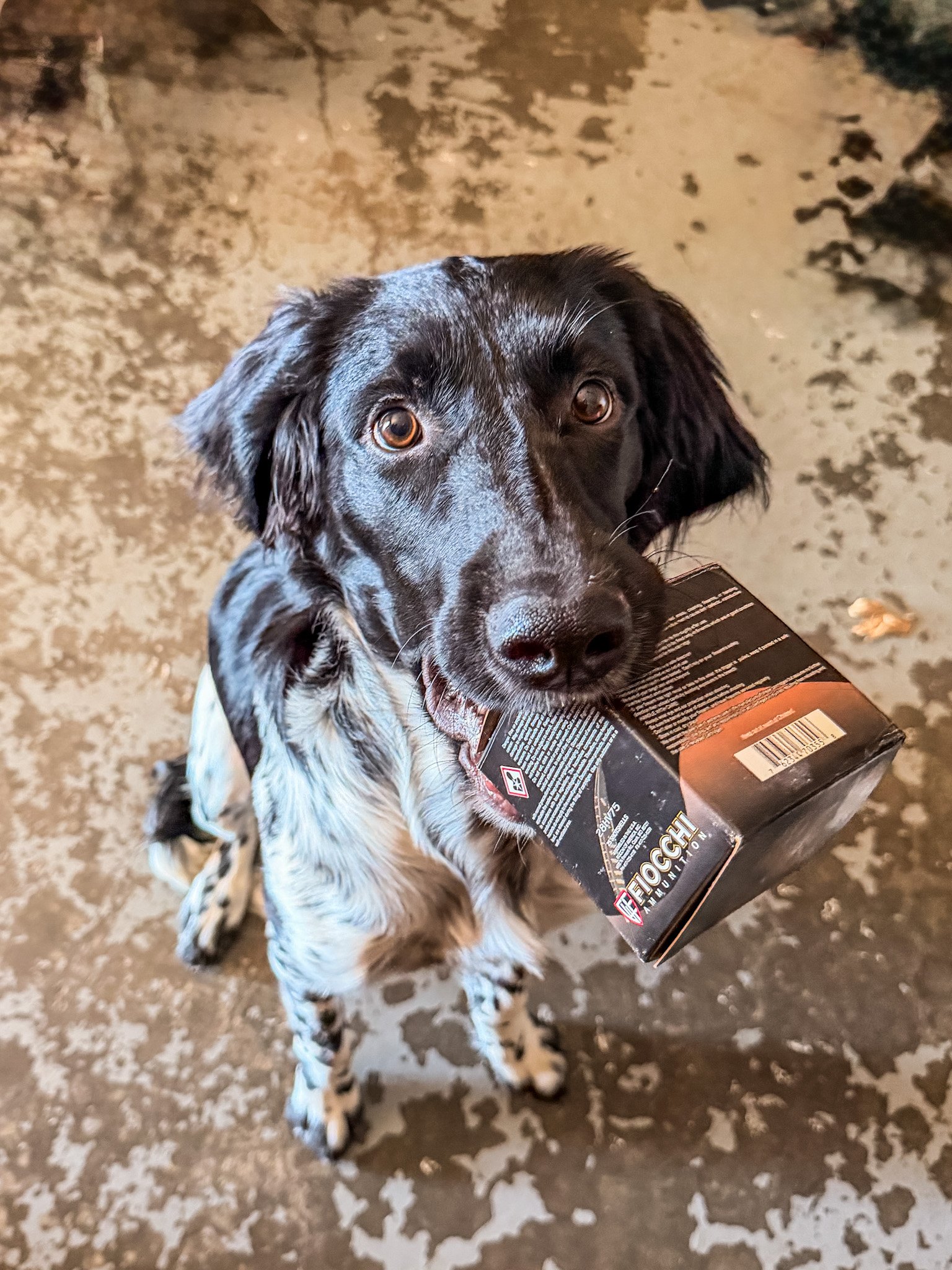
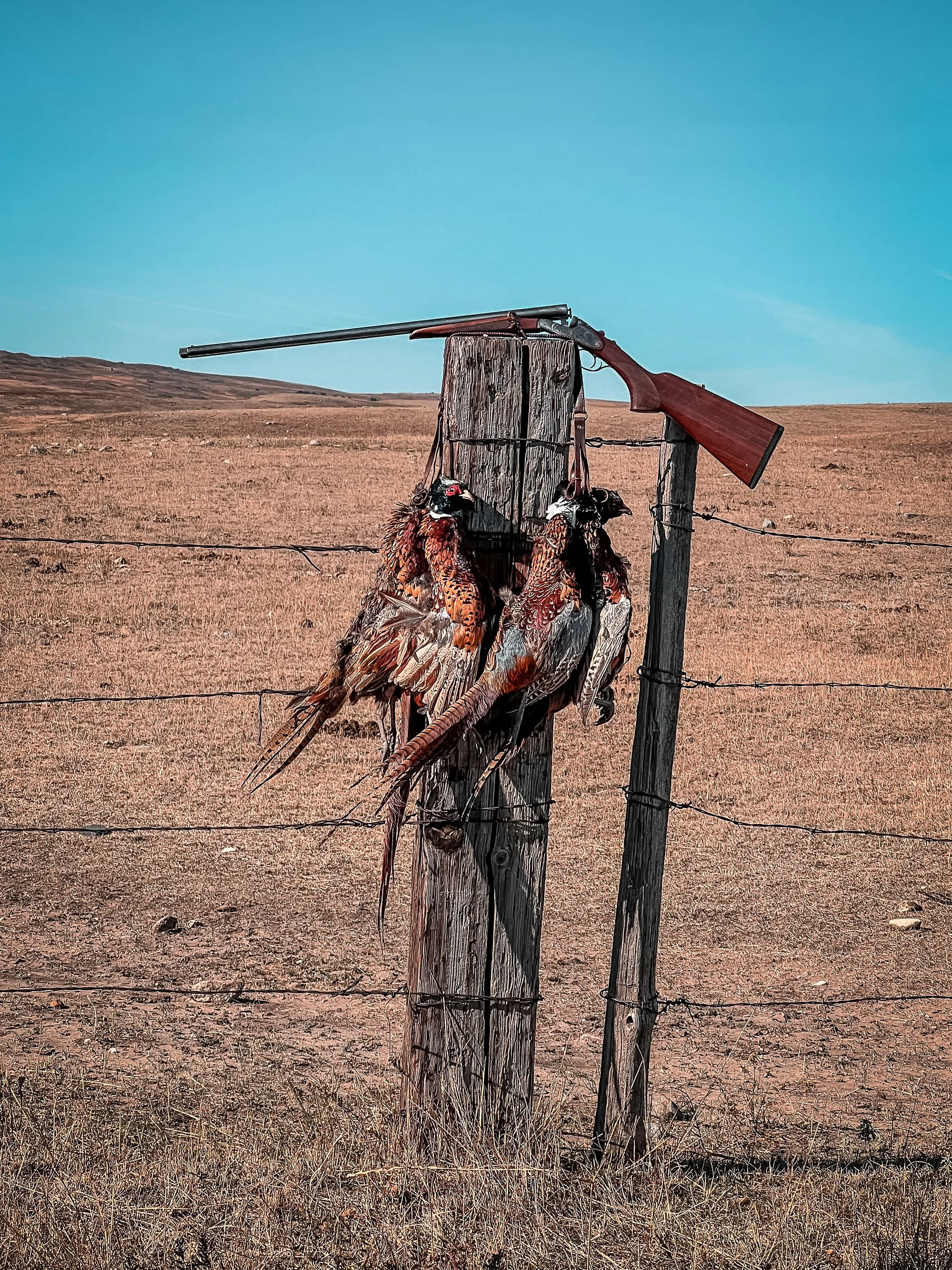
A box of shotshells sits by the basement door. Feathers and spent hulls remain in the back of my bird vest, waiting to be sorted. The collars have been recharged.
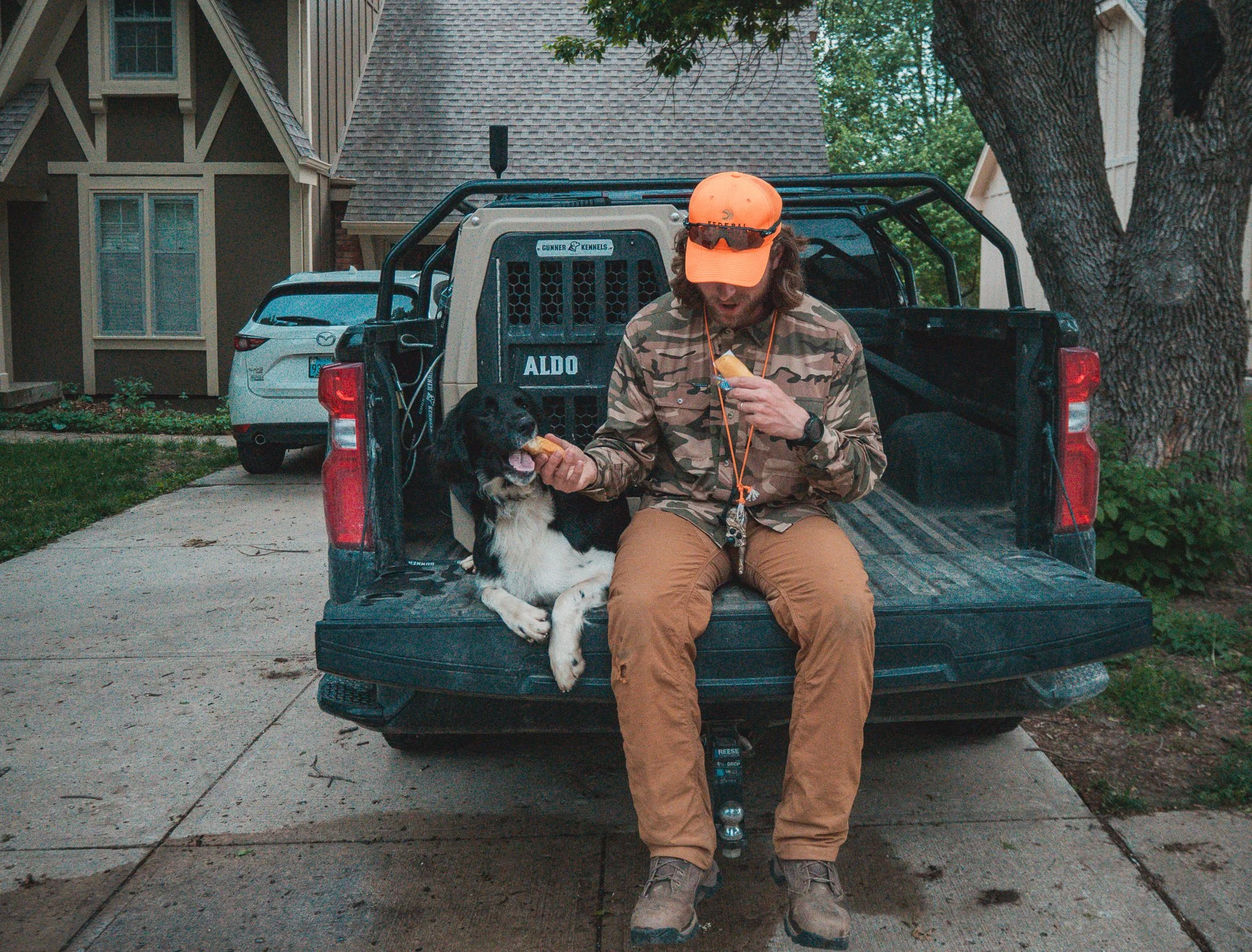
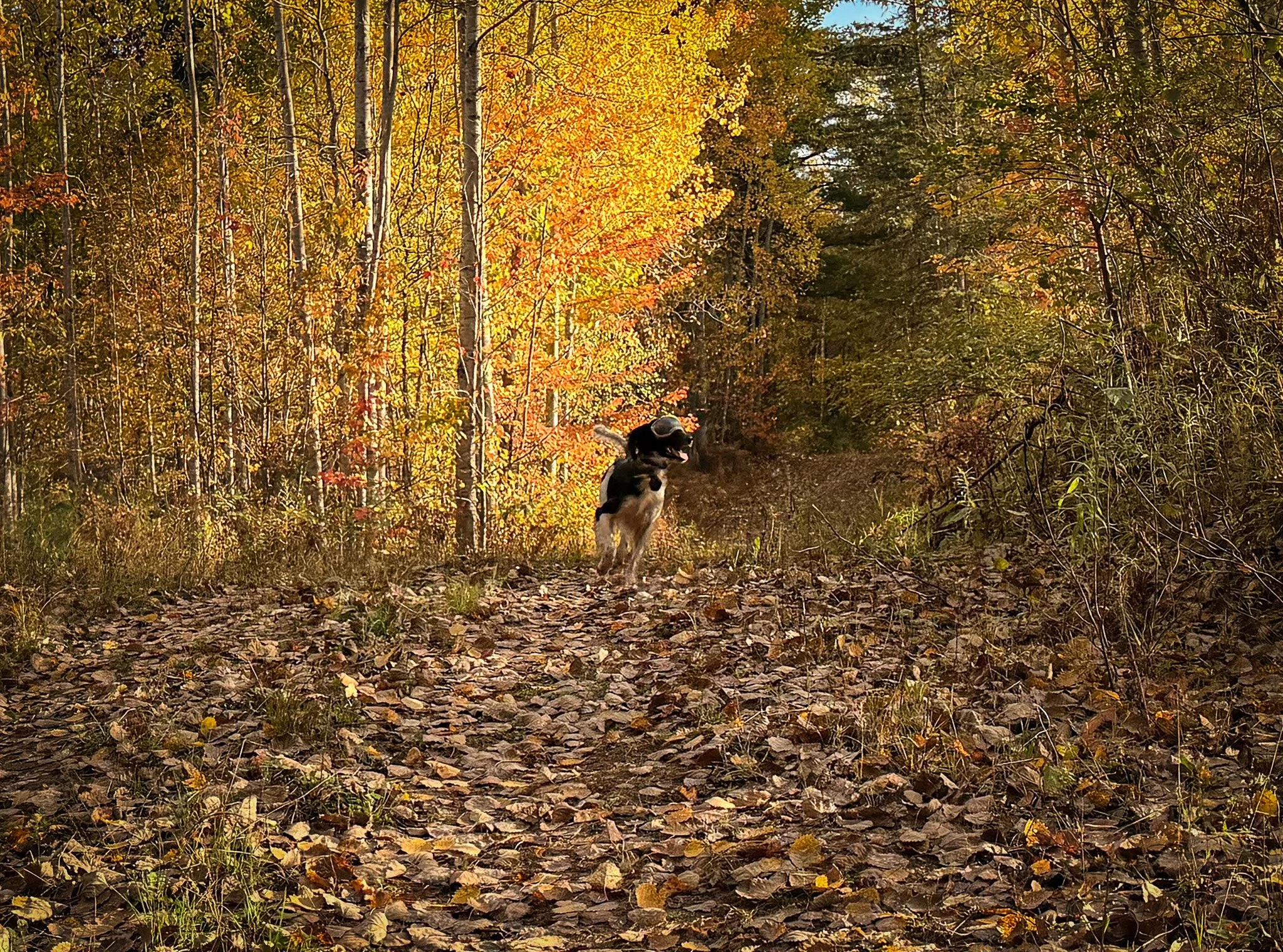
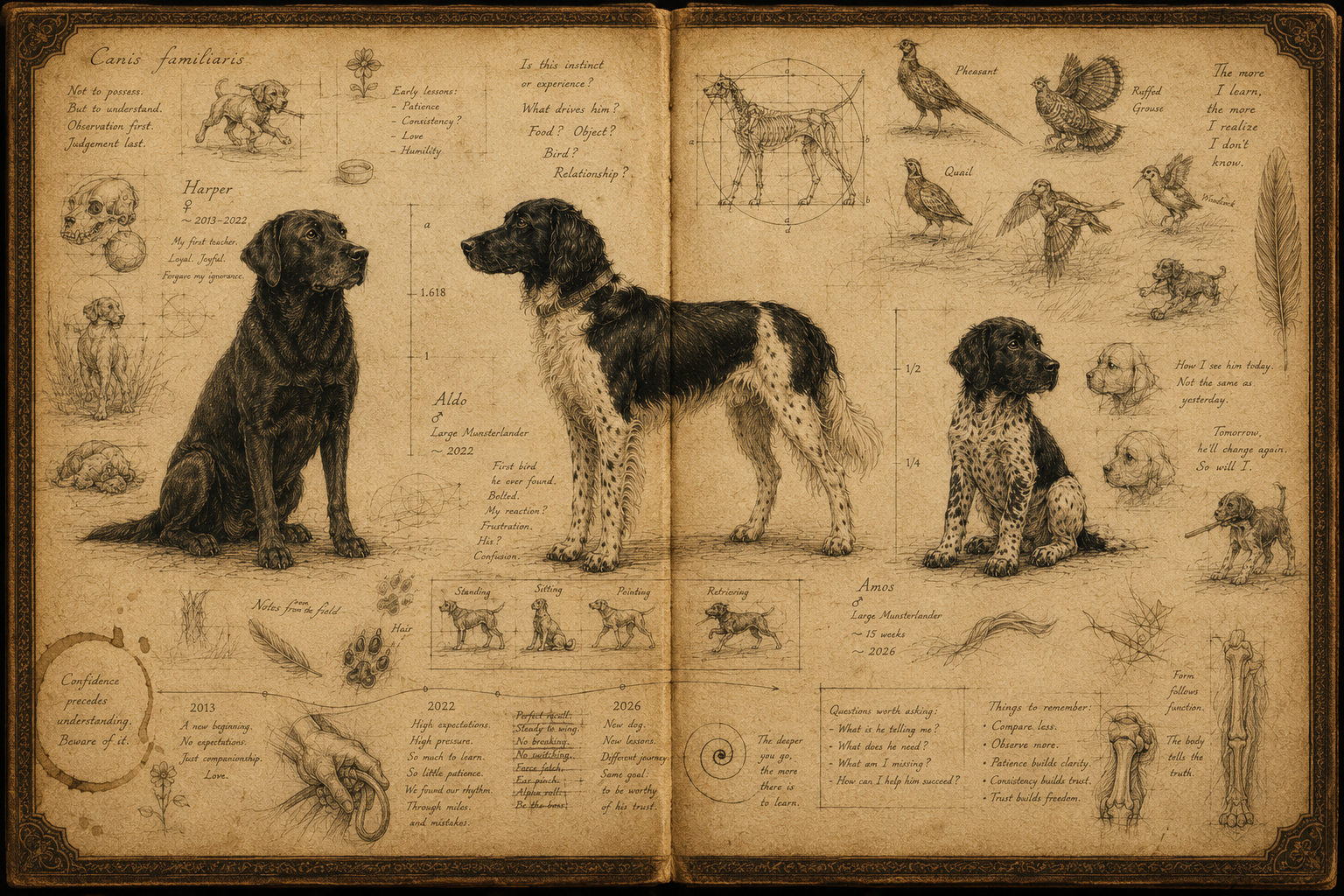
Amos is in his kennel so I can type without losing a shoe or having a power cord ripped from the wall. Aldo, my faithful office companion, lies by the window and occasionally rises to inform a passerby or the postman that our house is not to be trifled with. Between warnings, he sleeps.
The calendar on the refrigerator has been flipped to November. Its nearly empty page offers little reason to consult it.
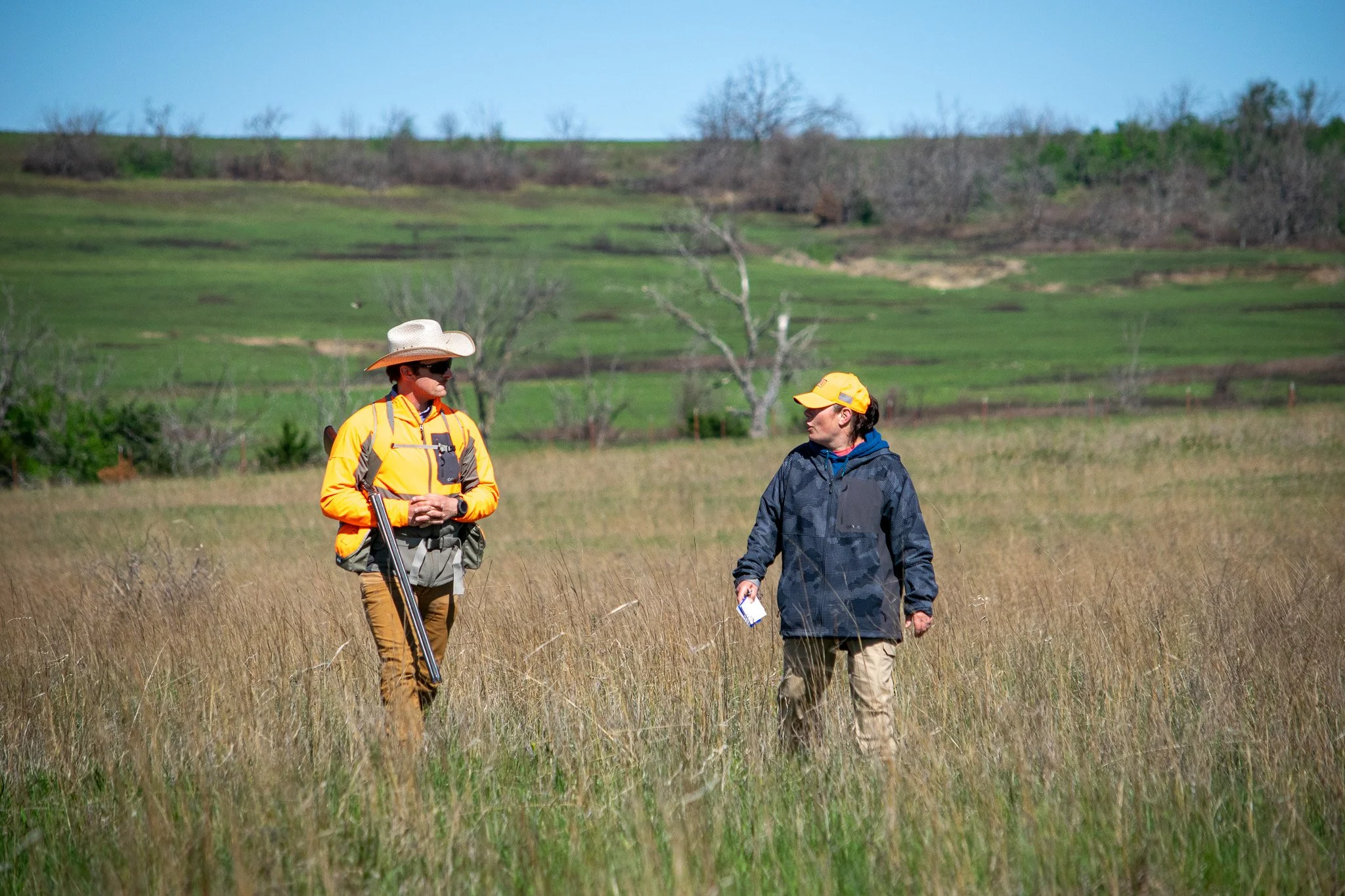
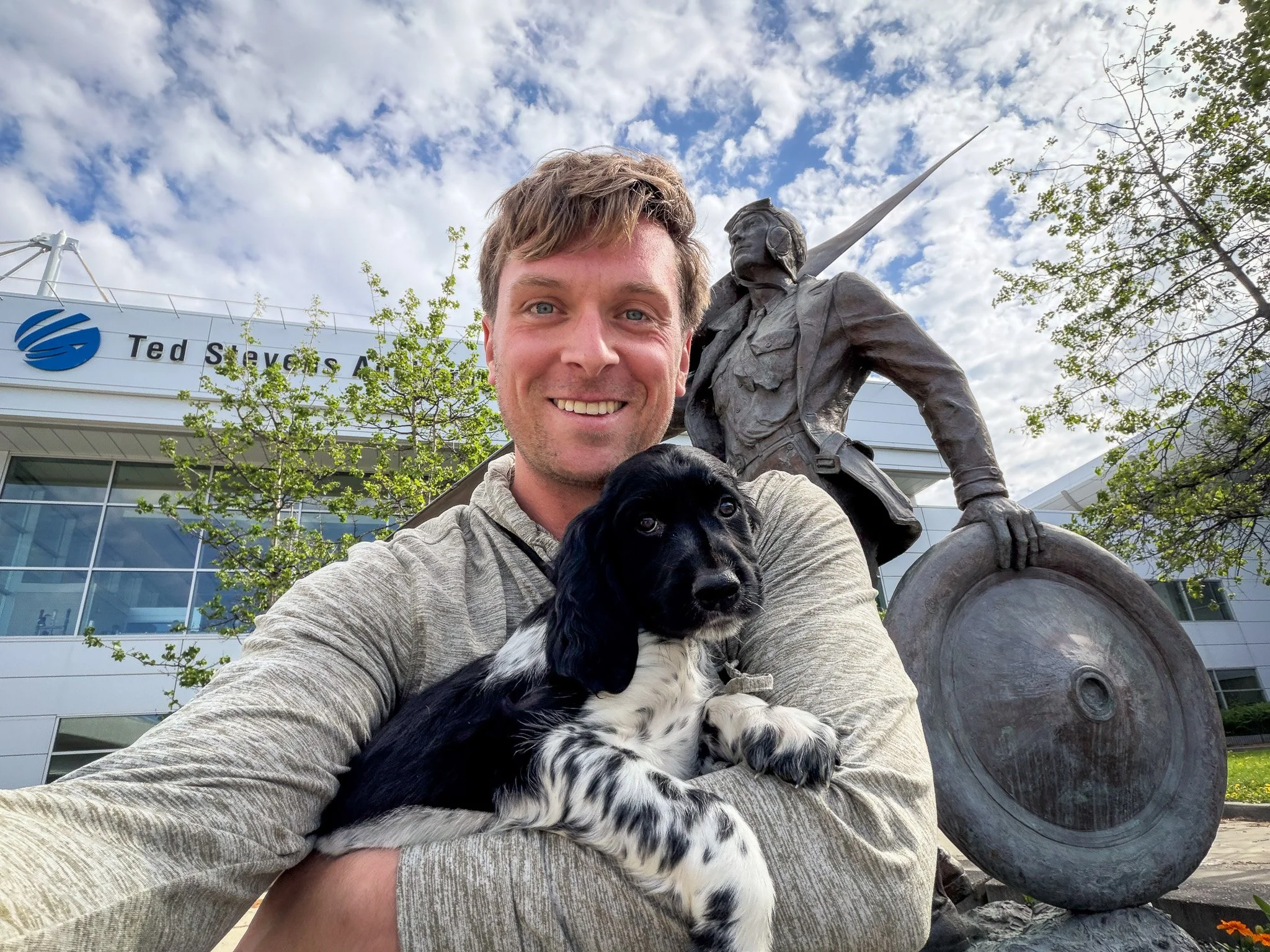
For the past two months, nearly every waking moment has been claimed by a trip: preparing for one, taking one, recovering from one, and preparing for the next. Montana for sharp-tailed grouse. Wisconsin for ruffed grouse and woodcock. South Dakota for pheasants. Wyoming for pronghorn. Before that came Africa in August, a summer spent preparing Aldo for his Gun Dog Test, and a trip to Alaska to bring Amos home.
Now the motion has stopped.
Kansas’s upland season opens next weekend, along with the local duck zone. There is freezer space left to fill, and deer hunting will occupy much of the year’s end. The season is not over. Still, this week I have felt morose.
I have much to be grateful for: my wife, our dogs, our home, and the life we have built. Gratitude, however, has not made the days feel less empty. So I have gone looking for something to read, something difficult enough to hold my attention when work, television, and conversation cannot keep my mind from returning to the prairie.
The right book can demand enough of my attention that, for a time, nothing else gets through. It does not have to be about hunting, and it does not have to be new. Lately, I have found myself looking toward books written by people who lived long before I did. There are good contemporary books, certainly, but old books arrive with a recommendation no review can provide–they have endured, and it is that endurance that pulls me to them.
I recently finished a three-month reading and self-study of Dante’s Inferno. I was struck by its architecture, by the way an elaborate structure could carry an equally elaborate moral argument. Finishing it left me looking for another old work that might reward the same kind of attention.
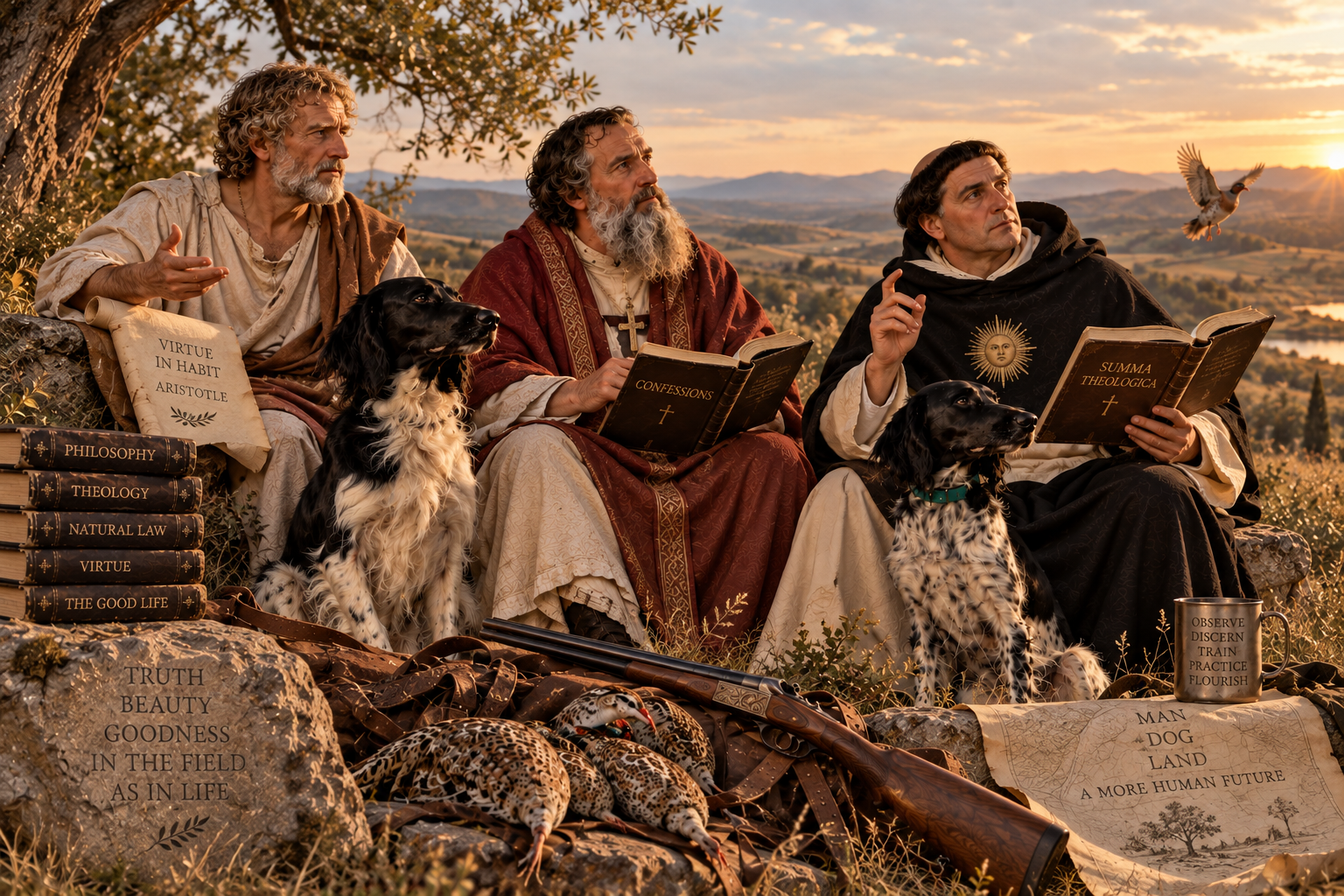
While searching online for another classic to take up, I asked an artificial intelligence chatbot for recommendations. Among its suggestions was a title sufficiently plain that I could not ignore it: “On Hunting with Dogs,” a treatise included in Xenophon: The Shorter Writings, edited by Gregory A. McBrayer.
There was some irony in using one of the newest available technologies to discover a hunting treatise written nearly twenty-four centuries ago. No one in my immediate circle had mentioned Xenophon to me. I had never encountered his name on my own. The machine had simply learned enough about my interests to point me toward him.
After comparing several editions and translations, I ordered McBrayer’s collection. A few days later, ancient Greek thought arrived through Amazon Prime.
The book itself was an unremarkable modern paperback, with the appearance of something assigned rather than discovered. I began reading it in my office, Aldo beside the desk and Amos confined elsewhere for the protection of the house. I had no particular expectation of what I would find. Curiosity was enough.
Hunting, in Xenophon’s account, was a gift from the gods, handed down through heroes. The idea was foreign to me, at least in its religious structure. I do not often encounter hunting presented that way in Christian thought, and I do not think of my own pursuits as descending through a line of gods and heroes.
Still, I understood the desire to place some activities above mere amusement. I was moved by the thought that a man writing nearly twenty-four centuries ago regarded hunting, particularly hunting with dogs, as something received rather than invented. His gods were not mine, but I recognized the gratitude behind the claim, along with the suggestion that such a gift came with obligations.
For Xenophon, hunting was also a form of education. It developed the body, demanded endurance, and cultivated qualities meant to extend beyond the pursuit itself. He believed it could help prepare a young man for warfare and civic life. The particulars of that education belong to the world in which he lived, but the underlying argument does not: what a person willingly undertakes in the field may shape how he conducts himself elsewhere.
I am not a father, and I was not introduced to hunting as a boy. I should therefore be cautious about prescribing its place in the upbringing of other people’s children. But I have seen enough of boys and young men, and of friends now raising children of their own, to understand the appeal of Xenophon’s claim.
Hunting does not automatically make anyone virtuous. It can expose selfishness, impatience, carelessness, and vanity as readily as it can correct them. Done well, however, it creates occasions for responsibility. A young person may learn to care for an animal before attending to himself, to endure discomfort without complaint, to maintain equipment whose failure may have consequences, and to accept that effort does not guarantee reward. He may also learn that taking a life should never become casual merely because it is legal.
My own military service is behind me, and I do not hunt to prepare for war. Yet I recognize Xenophon’s belief that voluntary difficulty can prepare a person for demands beyond the immediate task.
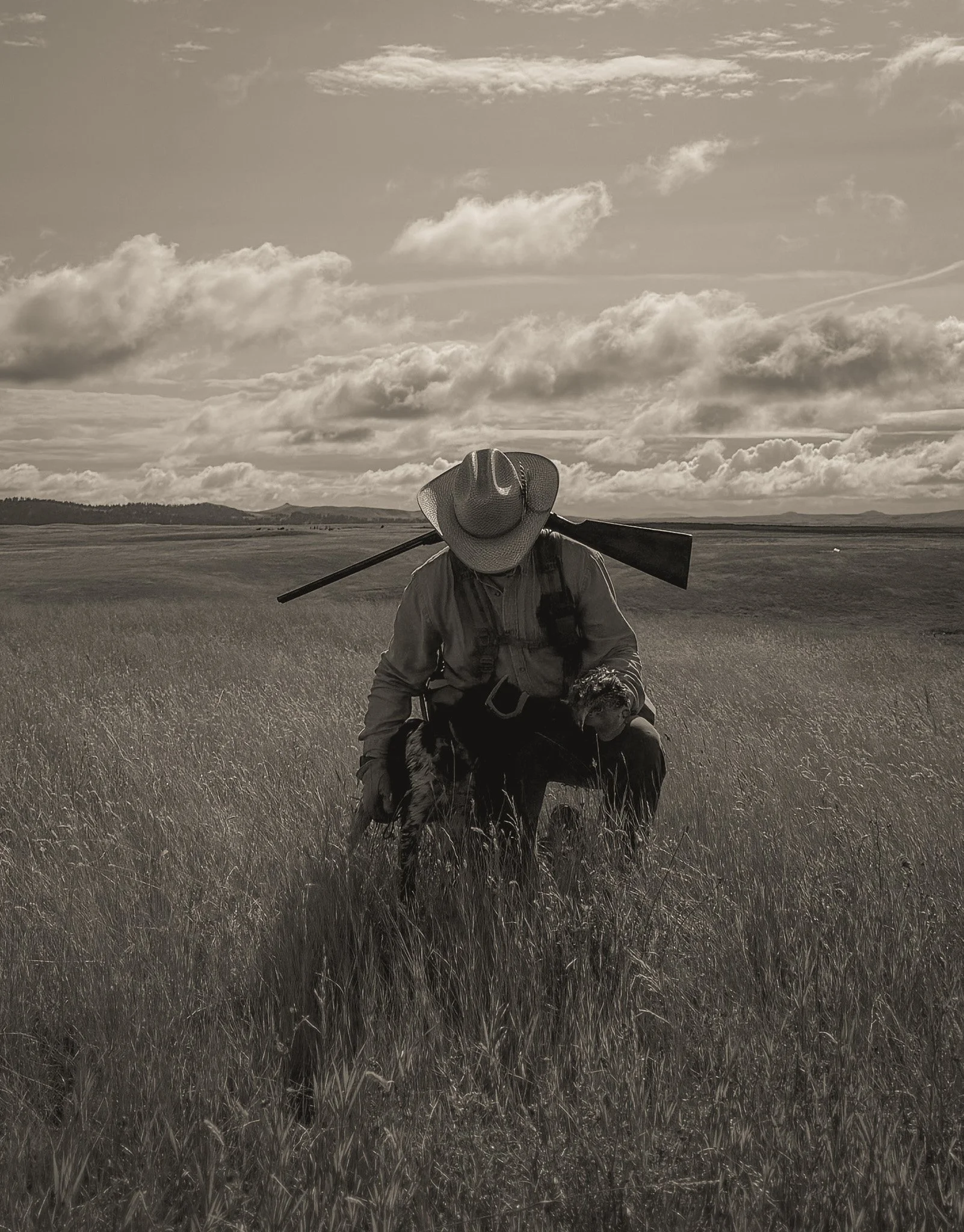
I choose to travel into wild country, sleep in a tent, eat freeze-dried meals, walk until the dogs and I are tired, care for them before caring for myself, and begin again the next morning. None of this is required of me. That, I think, is part of its value, a value I had felt long before finding it articulated by Xenophon.
His argument about virtue interested me, but it was not separate from the practical instruction the makes up much of the treatise. Conditioning the dog, maintaining the nets, studying the hare, and enduring the physical demands of the hunt were the disciplines through which his larger claims took form. The particulars did more than keep me reading. They showed me what Xenophon meant.
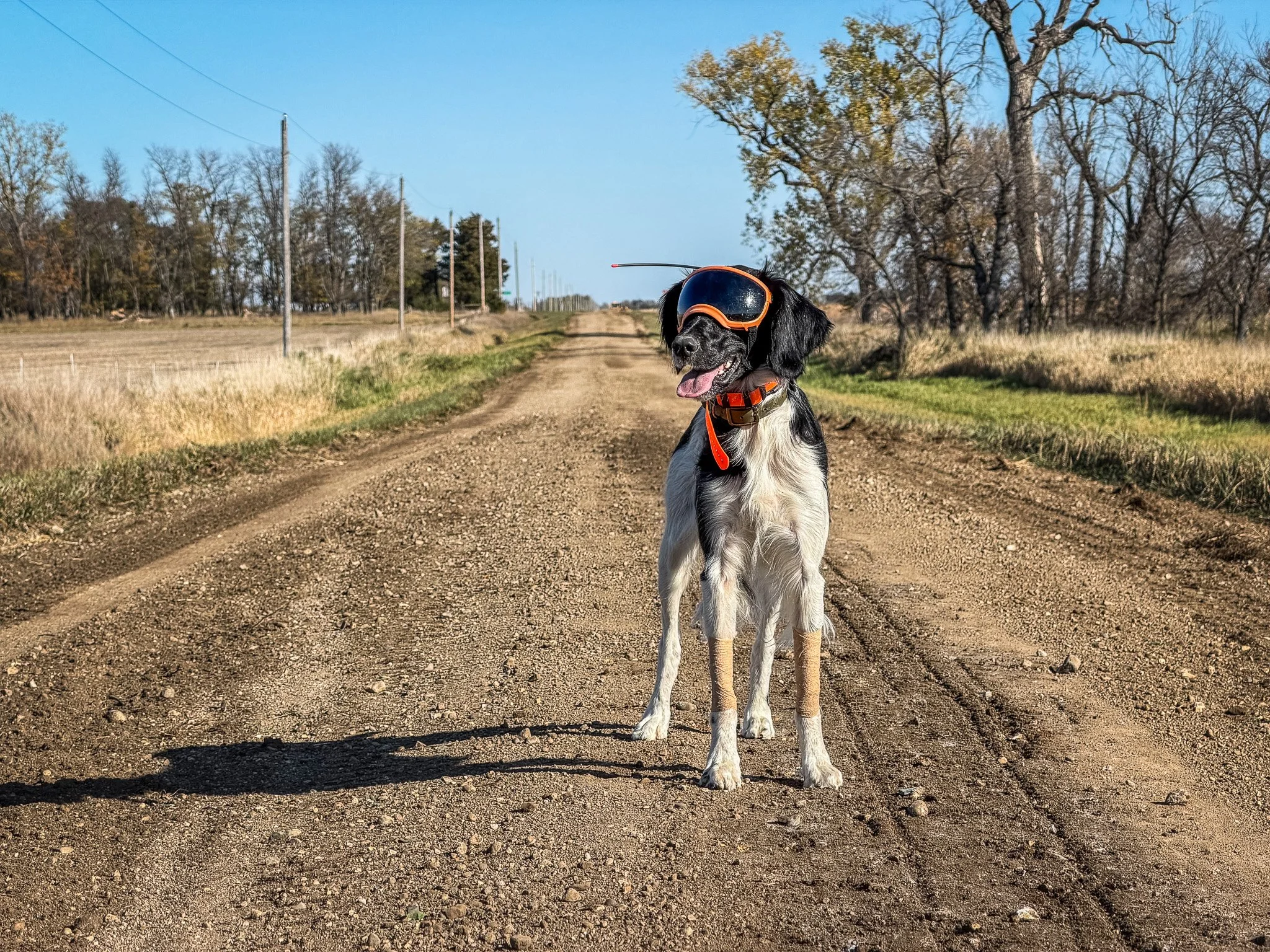
Xenophon understood that dogs differ not only in physical quality but in disposition. Some require encouragement where others require restraint, and the handler’s approach must change according to the dog in front of him. His observations about conditioning were equally particular. He accounted for weather and temperature, considered the ground the dogs would cover, and emphasized preparing their feet for the work.
These were not the observations of a man using dogs as decoration for an argument. They belonged to someone who clearly had experience breeding, raising, training, and hunting with dogs.
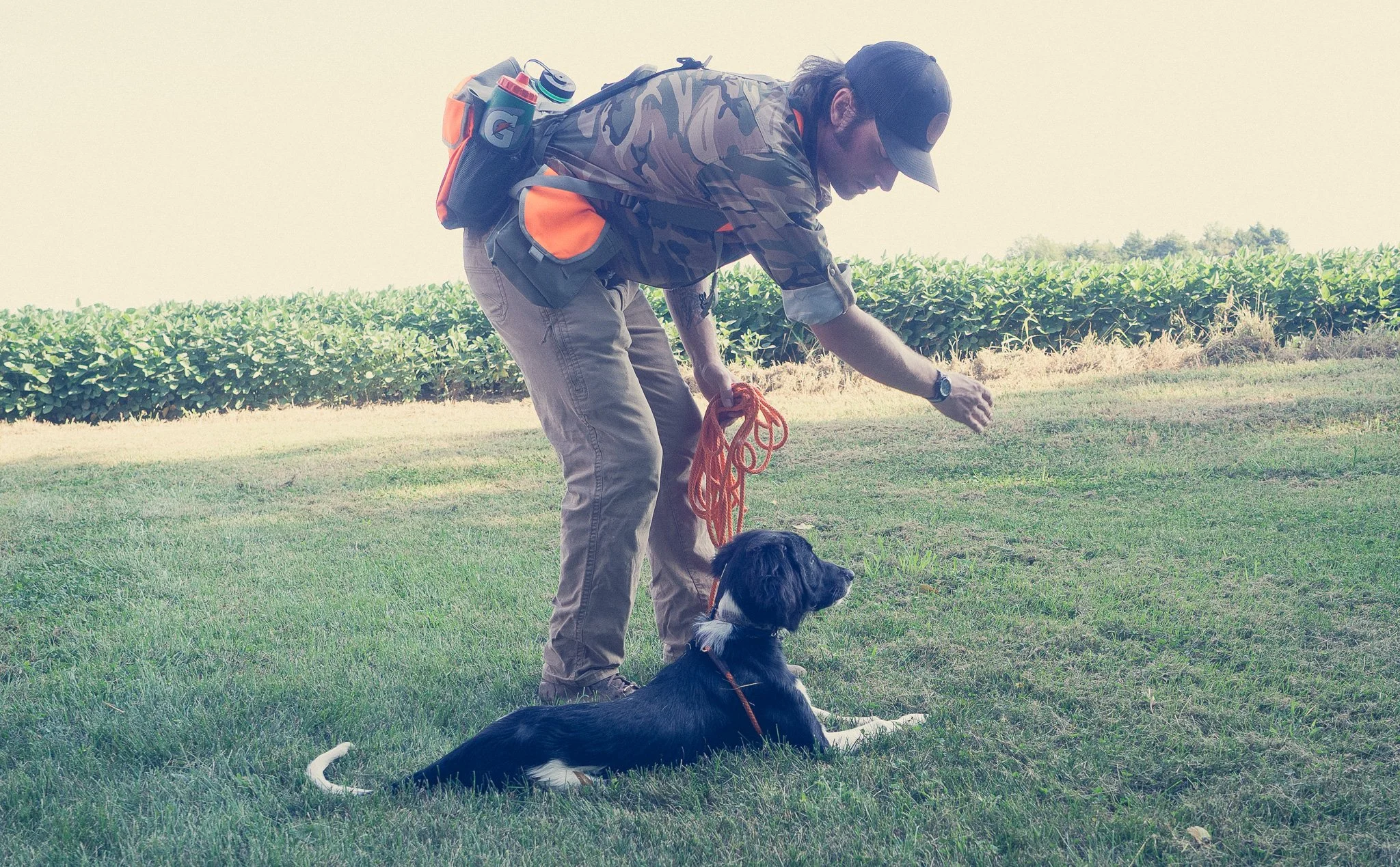
When Ronnie Smith signed my copy of Training Bird Dogs with Ronnie Smith Kennels after one of his seminars, he wrote, “A dog is like a book. Learn how to read it.” And while the Greek text is not as nearly concise, much of the message was the same.
Xenophon’s methods belong to another age, but the obligation beneath them has not changed. There is no single procedure called dog training that can be applied equally to every animal. There is the dog, the task, the conditions, and the handler’s ability to see what is happening among them. Training begins not with imposing a method, but with learning to read the dog.
Even some of his smallest recommendations felt familiar. Dog names, he advised, should be short and easy to call. I had followed the same principle without knowing he had written it down: Aldo, Amos. Names made to travel some distance without becoming tangled in the mouth.
Other passages belonged wholly to Xenophon’s world. He devoted considerable attention to the making, care, and deployment of nets for taking hares as well as other game. The specifications occasionally exceeded my ability to picture the finished equipment. I understood the general purpose, but not every knot, measurement, or component.
Yet even there, the underlying discipline was familiar. The nets had to be properly constructed, maintained, carried, and deployed by someone who understood, and valued, the work involved. Their usefulness in the field depended on work performed before the hunt began.
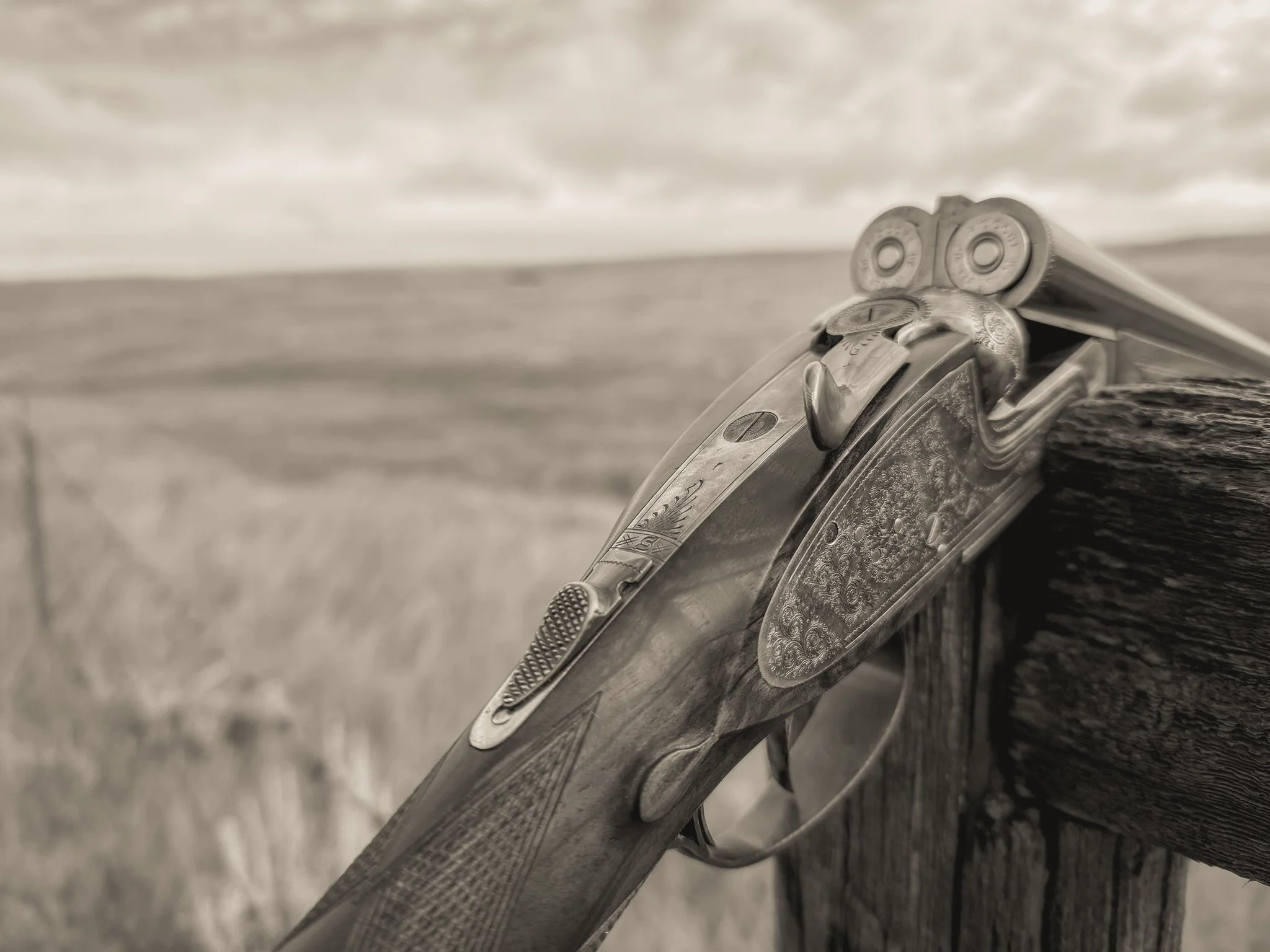
A shotgun is not a net, but it makes a similar demand. It must be understood, practiced with, cleaned, and kept ready. The hunt may happen in the field, but competence with a shotgun is usually built at the shooting park, long in advance.
The connection to Xenophon’s argument about education became clearer. Maintaining a net or practicing with a shotgun does more than prepare a piece of equipment. It develops habits of care, foresight, and accountability in the person who depends upon it. Neglect in preparation often reveals itself in the field.
One practice struck me as particularly ingenious. Xenophon instructed the hunter to feed a dog near the nets so the animal would learn to associate that place with food. Should the dog become separated from the hunt, it might return to the nets, giving the hunter a known place from which to recover it.
I read that passage in a world of GPS collars and handheld receivers. I can look at a screen and know a dog’s direction, distance, and sometimes even whether he is running or standing still. Xenophon had none of that. His solution was to create a habit in the dog before the problem occurred.
It would be easy to regard this as primitive merely because it preceded electronic technology. I found it sophisticated. He understood the risk, considered the dog’s likely behavior, and built a possible route back into the animal’s education.
The loss of a dog may have carried different implications in ancient Greece than it would for me today. Even so, the fact that Xenophon considered the problem worth anticipating, solving, and recording spoke to me. Across the distance between us, recovering the dog still mattered.
His attention was not limited to the dog. Much of “On Hunting with Dogs” concerns the hare: where it lives, how it moves, how it responds to pressure, and how its behavior shapes the pursuit. The specifics are removed from most of my own hunting. I occasionally hunt rabbits, but I do not pursue hares with hounds and nets. The underlying principle, however, is as current as anything in the book: a hunter must study what he hunts.
For those who hunt with dogs, that study is also part of the dog’s education. Obedience may begin in the backyard, garage, or living room, but those controlled settings can take a dog only so far. Eventually, the handler must leave them behind and introduce the dog to the animal it is being trained to pursue.
This is especially true of the versatile hunting dog, which is rarely asked to master only one species or environment. The same dog may hunt pheasants and sharp-tailed grouse on the prairie, ruffed grouse and woodcock in the timber, and ducks in a marsh. It may be expected to search independently across open country one day, remain within contact in dense cover the next, and sit quietly beside the hunter before making a water retrieve the day after that.
Each pursuit presents a different problem. A pheasant does not behave like a sharp-tailed grouse. A ruffed grouse does not occupy country like a prairie bird, and a wounded duck does not escape like either one. Each relies on different cover, different habits, and different means of escape. Wind, vegetation, water, terrain, and quarry combine to create conditions that neither dog nor handler can fully reproduce in training.
Xenophon describes using experienced dogs and encounters with the hare to educate younger dogs. I recognized the principle immediately. We can prepare a young dog, encourage its instincts, and create opportunities for it to succeed. But preparation has its limits. For the versatile dog especially, education must begin again with every new species and landscape, and, at some point, the quarry must become the teacher.
Reading about dogs learning through the hare helped me recognize what I had been missing beneath the nearly empty November calendar. It was not only the country or the birds. I missed the clarity created when dog, quarry, landscape, and purpose converged.
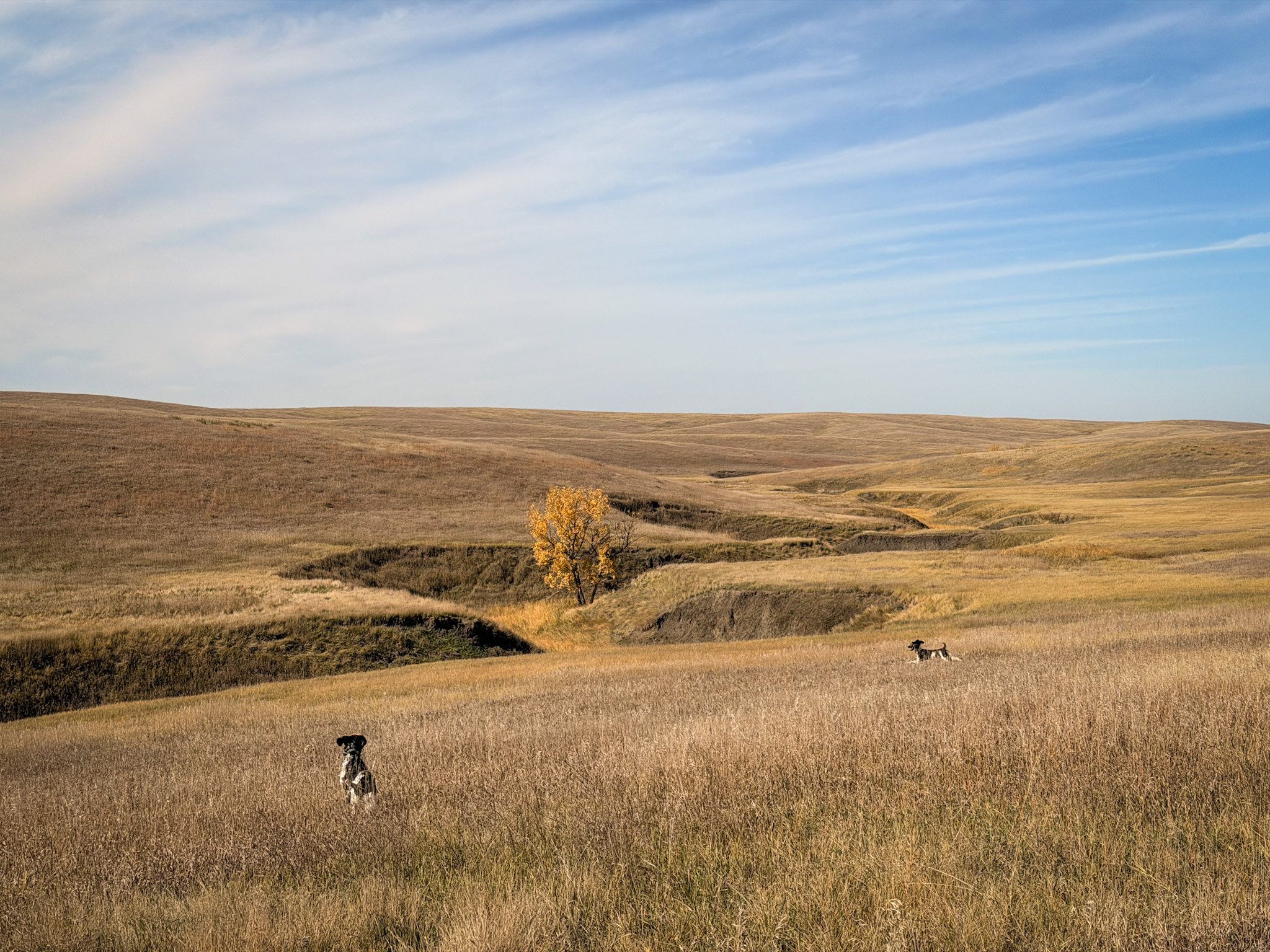
I missed Montana and South Dakota, certainly. I missed the open country and the possibility that the dogs might find birds over the next rise. More than that, I missed the clarity those places imposed.
On the road, the purpose of the day was plain. Wake up. Care for the dogs. Reach the next piece of ground. Look for birds. Follow the dogs. Find a place to camp. Feed them. Clean the shotgun. Rest. Begin again.
At home, the same attention splinters among groceries, laundry, dishes, work, school, and a dozen other responsibilities that are necessary but rarely unified. Life in the field may be more physically demanding, but it is simpler in its demands. The dogs and I know what we are there to do.
Perhaps this, too, was part of Xenophon’s argument. The value of hunting does not arise merely from hardship. Hardship alone proves very little. The value lies partly in the direction it gives that effort. The hunter must attend to the dog, the equipment, the quarry, the landscape, and his own conduct, all while moving toward a purpose that remains uncertain.
A person can do everything correctly and still return without game. The dog can work well and never find a bird. Weather can undo preparation, and quarry can escape both knowledge and effort. The hunt demands competence without promising control. That may be among the qualities that allow its lessons to follow someone home.
Xenophon did not return me to the prairie. I did not need him to do that. I can see Amos’s first point or Aldo dropping into a distant draw whenever my mind chooses to leave the room.
What the book gave me was something different. It demanded enough of my attention to interrupt that leaving. In its familiar dogs, strange equipment, careful study of quarry, and belief that hunting might contribute to the formation of a person, it gave language to a value I had experienced long before I knew Xenophon’s name.
Xenophon treated hunting as worthy of serious thought because its demands extended beyond the taking of game. How we train a dog matters. How carefully we prepare matters. How well we understand the animal we pursue matters. How we conduct ourselves when discomfort, disappointment, and responsibility enter the hunt matters.
What we become through the pursuit matters, too.
The box of shotshells still sits by the basement door. The feathers and empty hulls remain in my vest. Amos has energy enough for whatever comes next, and Aldo continues his watch between naps.
Kansas opens next weekend.
There is still more hunting. There is still more season. For now, the dogs are waiting, and I have twenty-four centuries of notes to sort through before we go.
Read more about Aldo, Amos, and our time afield.