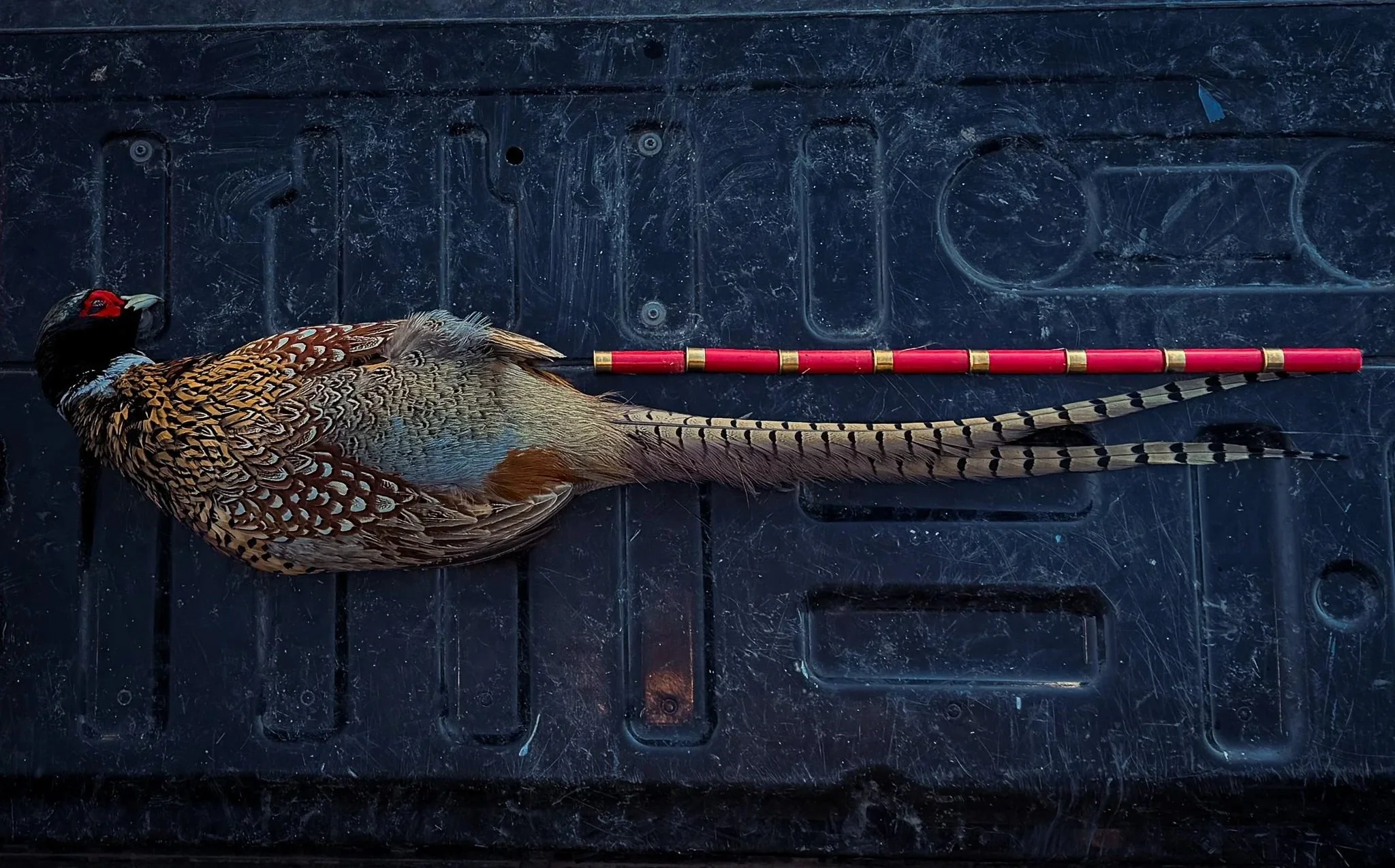
“I saw him coming out of the grass, and then he just . . . kept coming. It was like a dragon’s tail,” Kevin told me, excited and amazed all at once.
I smiled and fought back an I told you so.
I had never thought of a rooster’s tail as a dragon’s, but once he said it, the comparison seemed obvious. Long, iridescent, and improbable, it belonged as much to mythology as it did to the Kansas prairie.
Only moments earlier, the dragon had been hidden in the grass.
“I think he’s pointing!” Kevin shouted.
He gestured toward Aldo, standing twenty yards ahead of him. I had been looking the other way, watching Amos work a fenceline.
“Go up to him!”
The words came out louder and sharper than I intended. I had explained the concept to Kevin more than once, but some things remain theoretical until a dog stops in front of you.
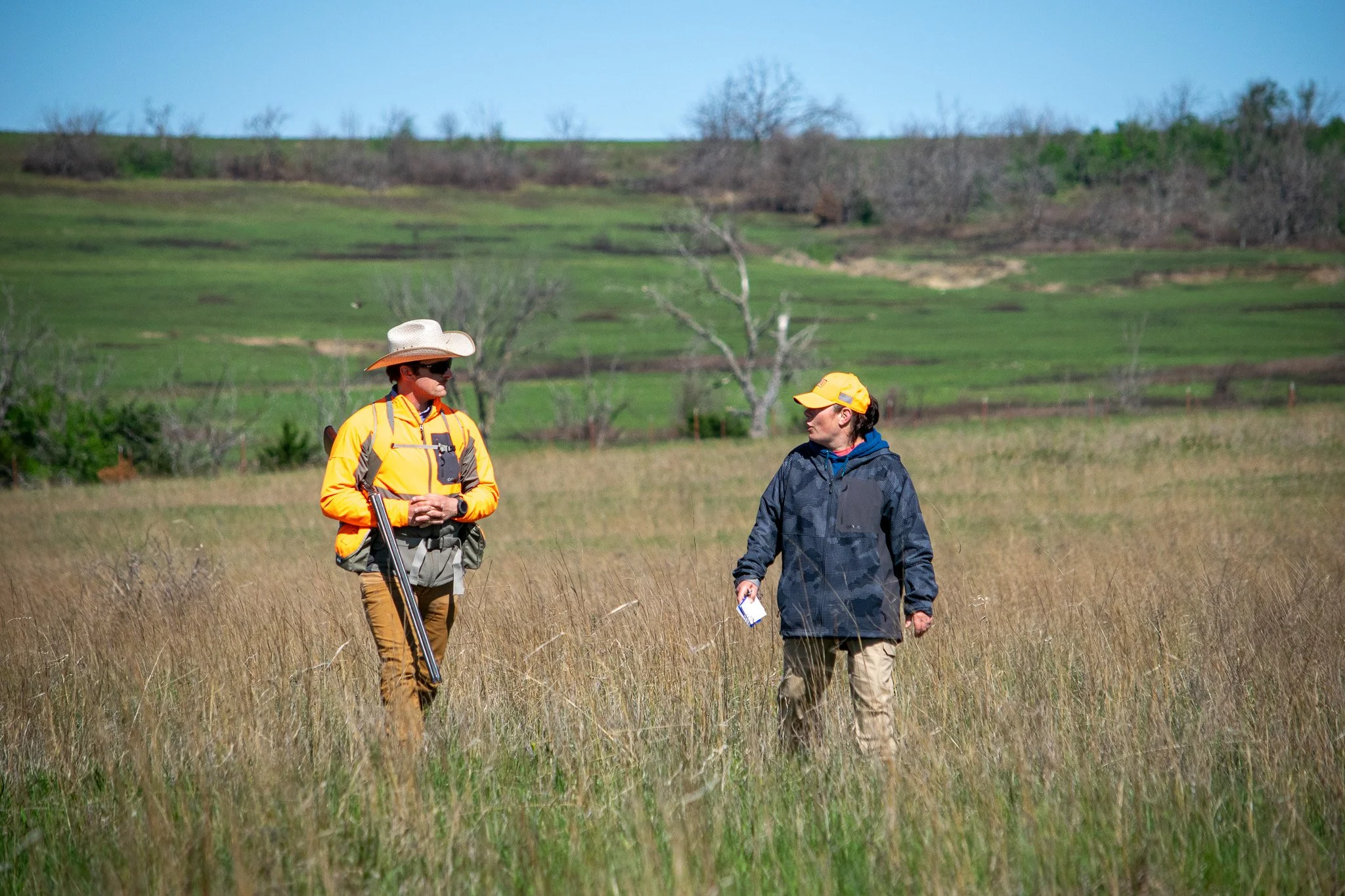
I started cutting toward Aldo, and Kevin did the same. With about ten yards remaining between them, a rooster erupted from the grass.
I stopped and watched.
The shot would have been a poke for me, and I wanted to see the whole thing unfold. The rooster climbed as Kevin brought up his gun. A moment passed. That nervous tick stirred inside me. He’s taking too long. He’s going to miss his chance.
Then the gun fired, and the rooster crumpled into the grass.
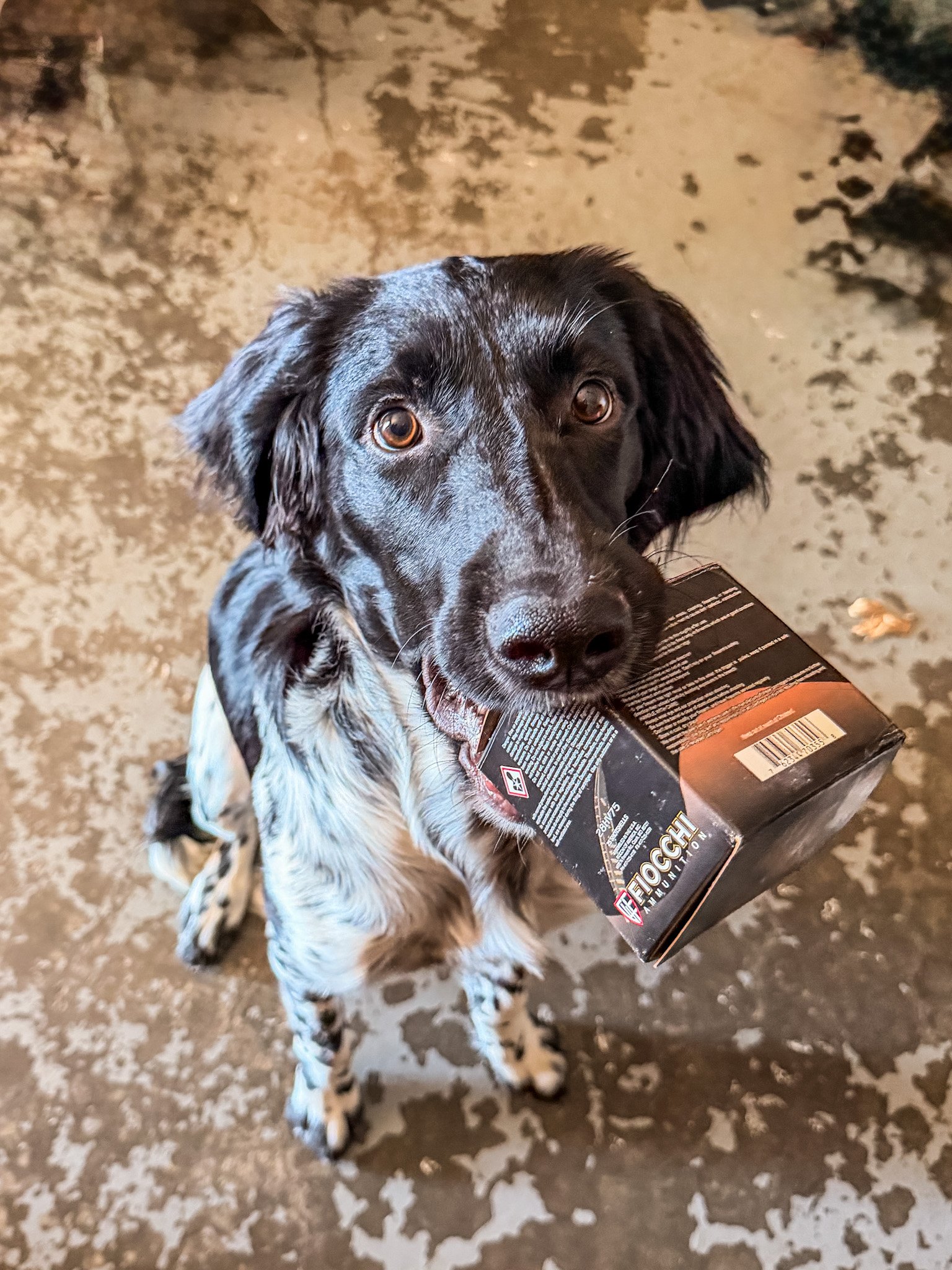
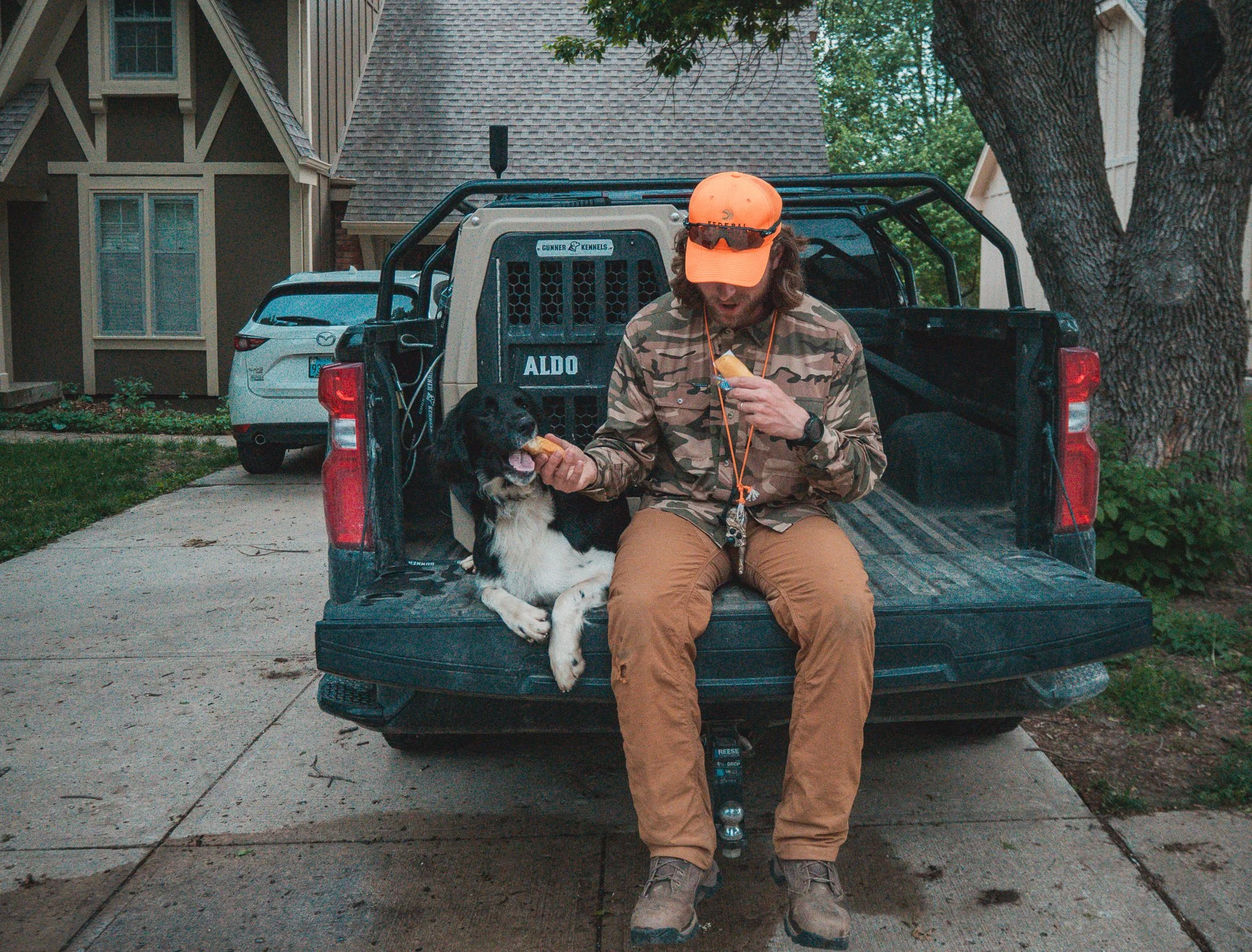
Aldo made the retrieve, and Amos appeared alongside to ensure the job was being done properly. I watched my best friend take his first wild rooster from the mouth of the dog I had raised and trained, then reached out and shook his hand.
We stood there grinning.
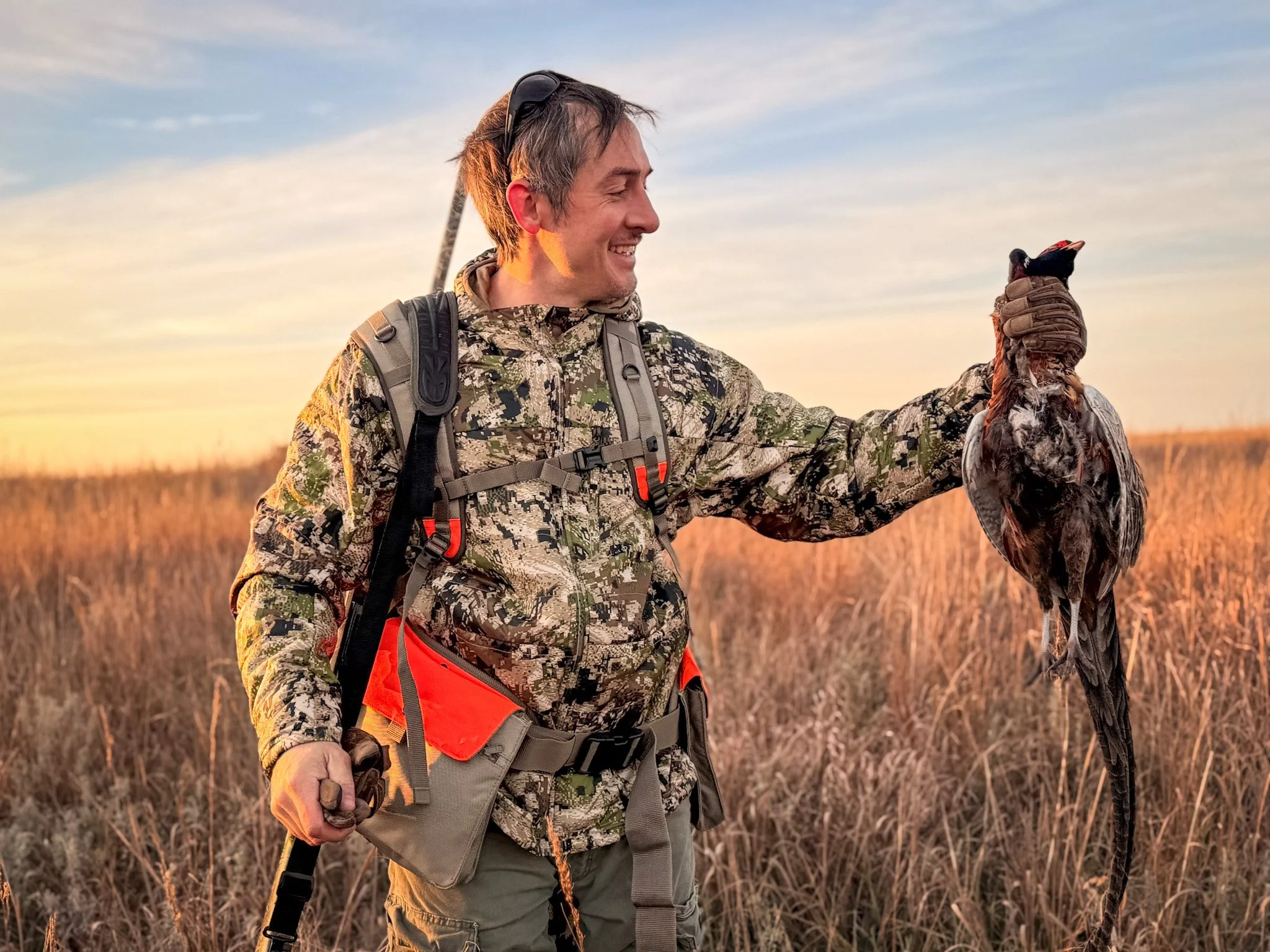
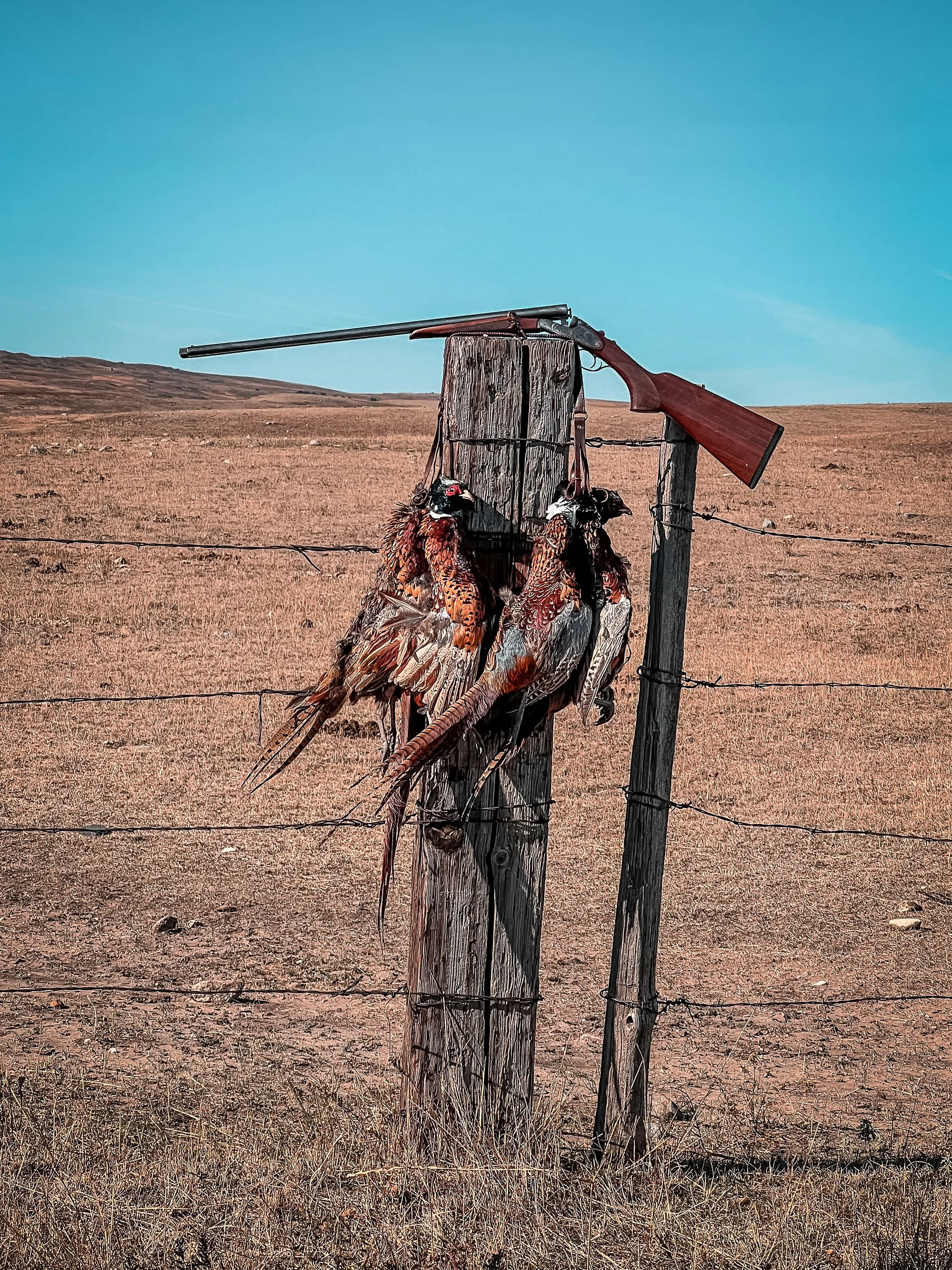
Kevin’s first wild rooster.
I complimented the length of the rooster’s tail, which prompted Kevin, a lifelong deer hunter, to ask a perfectly reasonable question. Was a long tail like a large set of antlers? Did it indicate something about the bird’s size or quality? Was there a way to score it?
Big game hunters have developed an elaborate vocabulary for measuring an animal. Points. Spread. Mass. Kevin knew how to look at a buck and understand what made it exceptional. Now he wanted to know what counted in a rooster.
I understood the question. There is a Pope and Young whitetail hanging on my wall that I am rather fond of. I know the satisfaction of finding a mature animal, making a good shot, and placing a number beside the memory.
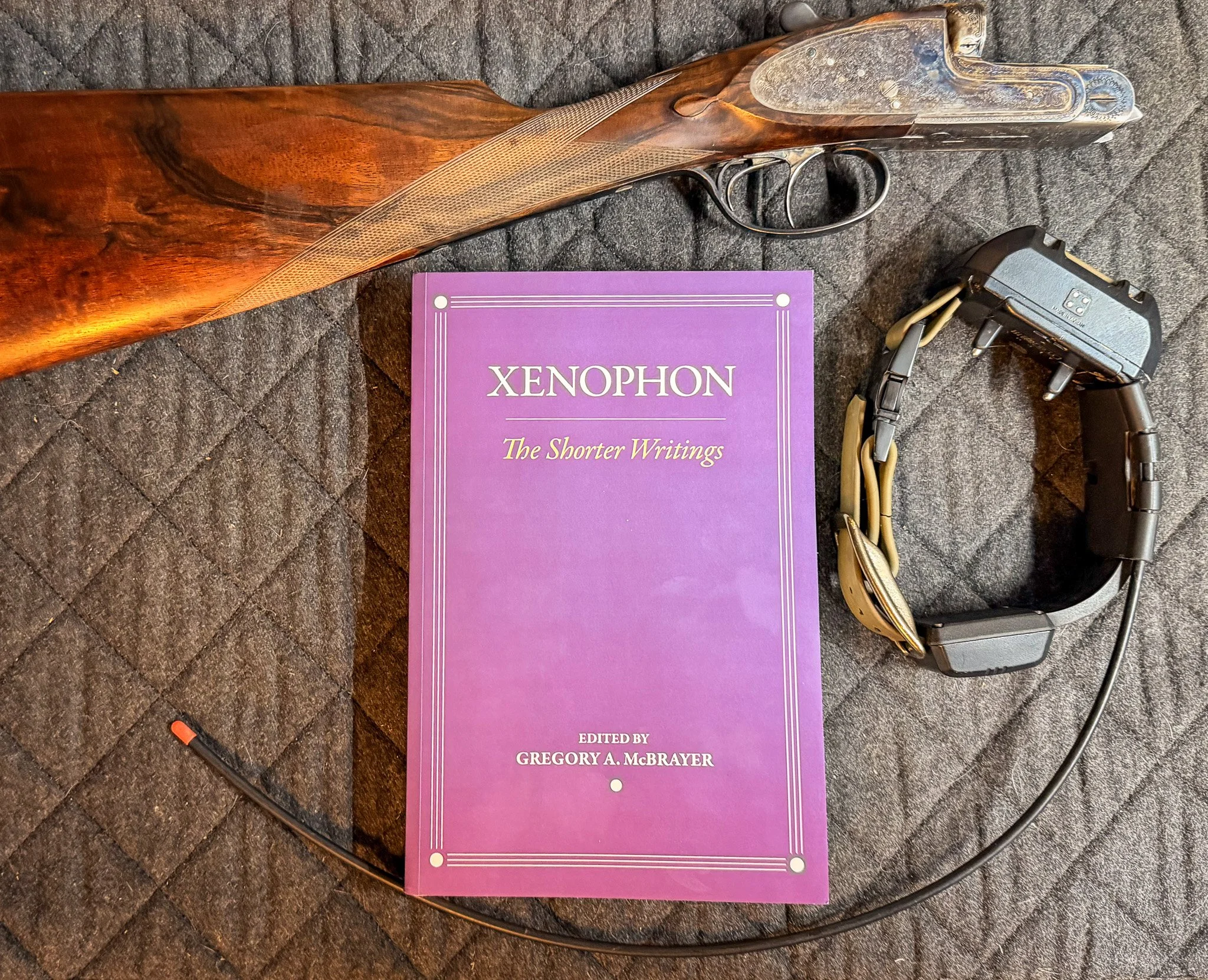
Upland hunters have our measurements, too, though they are less standardized. We count birds in the bag, admire spurs and tail feathers, tally spent shells, and compare the miles recorded beneath our dogs’ collars. We remember the shots we made and, often more vividly, those we missed. We keep score in our own ways, even when we pretend otherwise.
I have championed upland hunting to anyone willing to listen since I got my first bird dog, Aldo. Most of my good friends are big game hunters who happen to own shotguns, and every autumn I make the same case for borrowing a day from bucks and bulls.
It had taken years to get Kevin onto the prairie. Once he was there, I felt some responsibility for what the prairie did with him.
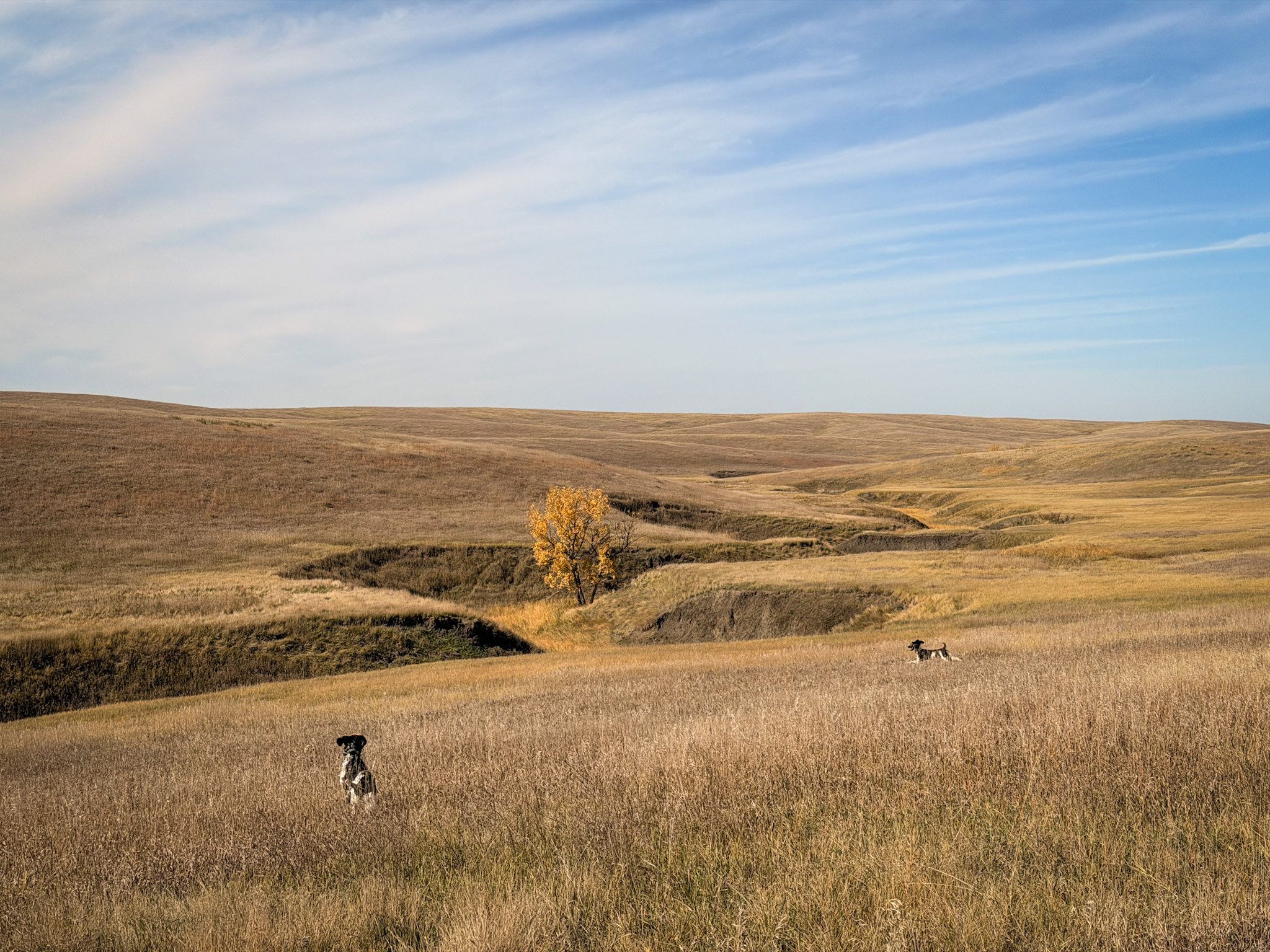
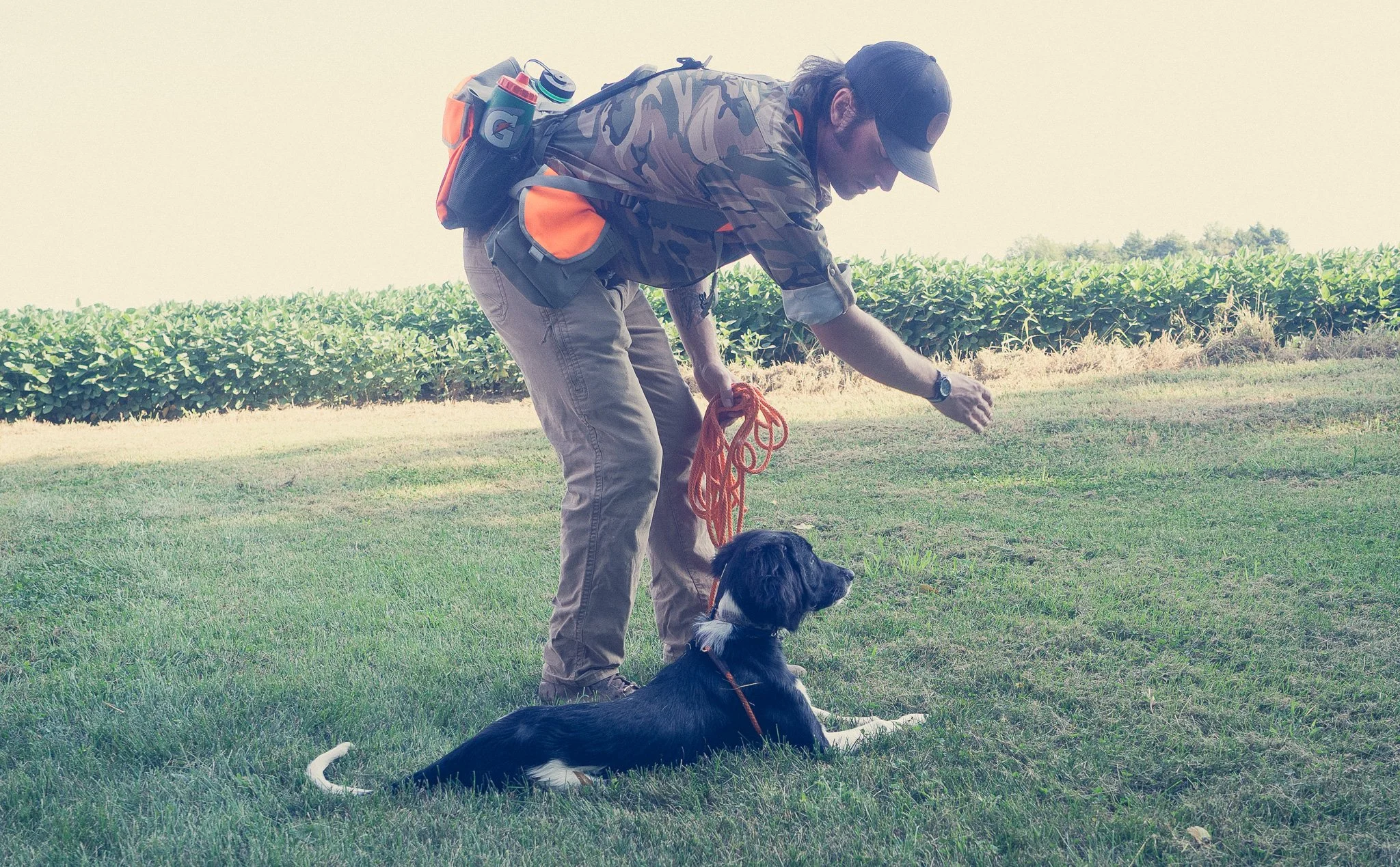
Part of my argument has always been the freedom of it. Instead of trying to disappear into the landscape, we move through it. The dogs cast ahead while we follow, watching them work cover that appears empty to us but tells them where birds have been. We can stop for a snack, water the dogs, or look around before taking up our guns and moving again.
Gun to my head with one day left on this earth, I would spend it there, with the wind against my face and the dogs casting ahead. That does not make it an easy love to explain. Much of upland hunting is walking through places where birds might be and discovering that they are not. The point, flush, shot, and retrieve occupy only a few seconds. Everything else is anticipation.
Our first hour had gone almost exactly as I had hoped. We had each killed a rooster, and Kevin's had come after the kind of dog work I would have chosen if I could have scripted the encounter myself. He had recognized Aldo's point, moved in, made the shot, and received his bird from the dog's mouth.
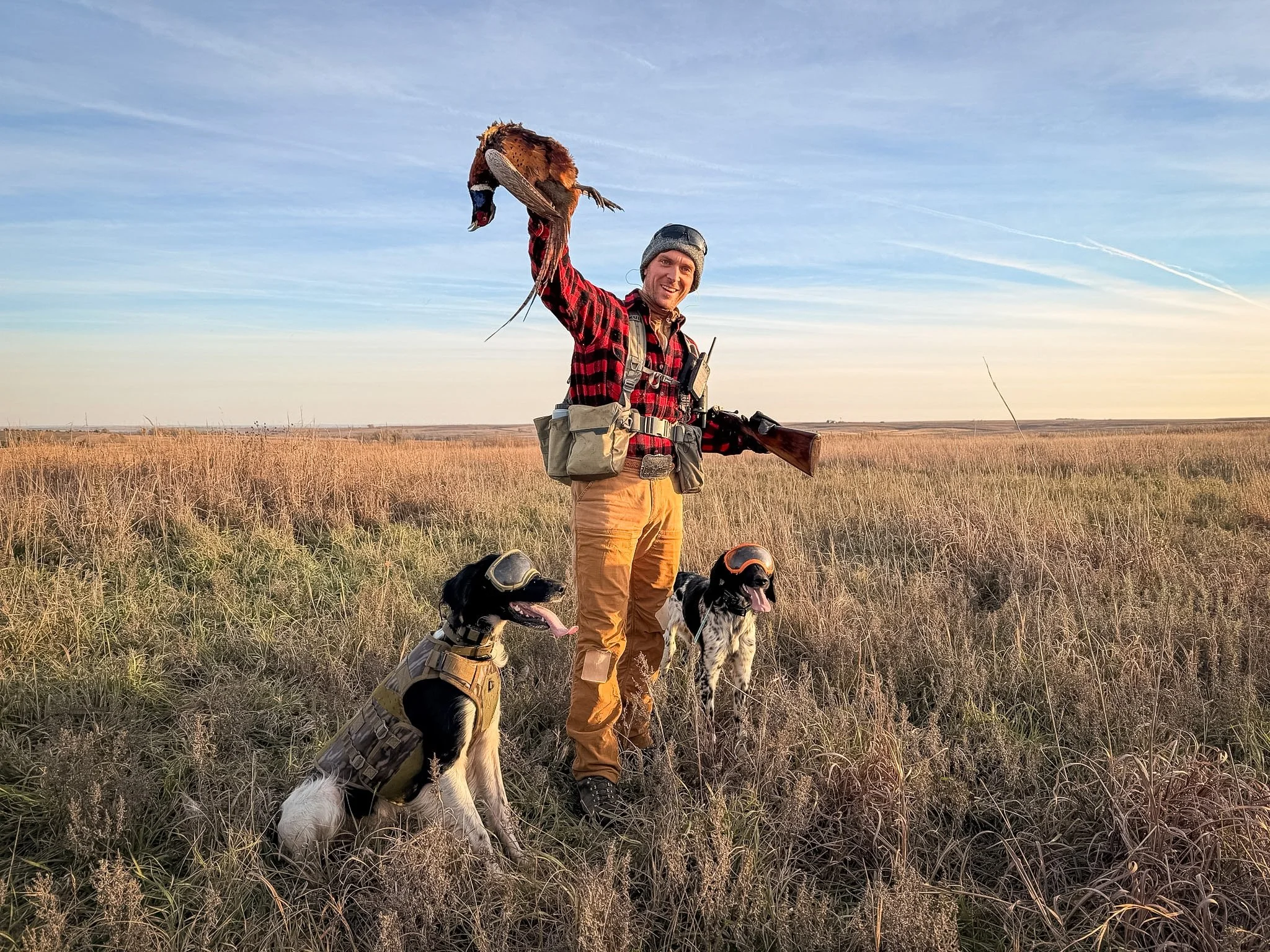
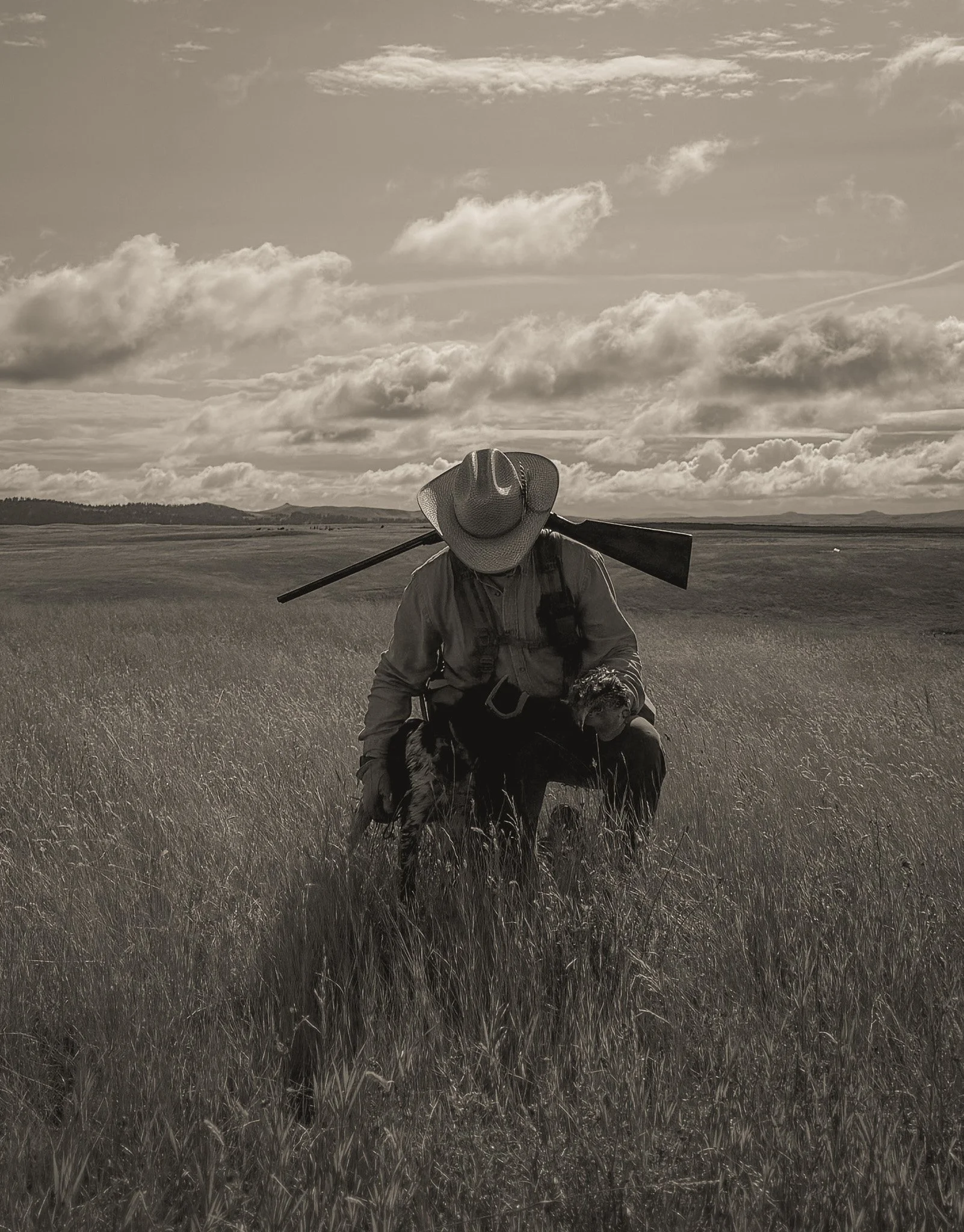
Aldo and Amos beside me with our first bird of the 2026 Kansas upland bird season.
The pace felt right. I began to imagine the rest of the day unfolding in much the same way.
It did not.
We never saw a quail or another pheasant. Aldo and Amos continued to search, eventually covering more than twenty miles apiece. We followed them through ground that repeatedly promised birds and then failed to produce them. With each empty stretch of cover, I became more determined to find another bird.
I wanted another point for the dogs and another opportunity for Kevin. Another rooster would be further evidence in the argument I had been making for years: that all this walking was worth it.
The pressure was entirely my own. Kevin had not asked for a limit of pheasants or a constant stream of shooting. He had agreed to spend a day with me and the dogs. Still, I worried that I had failed to show him enough. Maybe he would understand why so many of my invitations had conflicted with plans to sit in a deer stand. Maybe he would decide he had chosen correctly all those times he turned me down.
I was enjoying myself, of course. I was outside with my best friend and my dogs, which was considerably better than being at my desk. Yet as the miles accumulated and the prairie remained empty, I found myself increasingly concerned with what the day lacked. Instead of enjoying the hunt we were having, I kept searching for the hunt I thought Kevin needed.
I did not expect to convert him into a devoted bird hunter. I would not want to compete with the things he already loves. We find our peace outdoors in different ways, and I have no particular interest in convincing someone that mine is better. But Kevin is my best friend. Sometimes I want to do the thing I love with the people I love. That is why I kept inviting him, and why I wanted the prairie to give us more than it did.
On the drive home, Kevin told me he had had a blast. Before long, we were discussing a New Year's Day hunt in another part of the state. I think we will go.
Perhaps I had spent the afternoon trying to plant a seed that had already taken root. Perhaps the forty miles beneath the dogs mattered less than the single point Kevin recognized, the rooster he folded into the grass, and the long tail he watched emerge behind it.
I had spent the day looking for another bird.
Kevin had already seen a dragon.
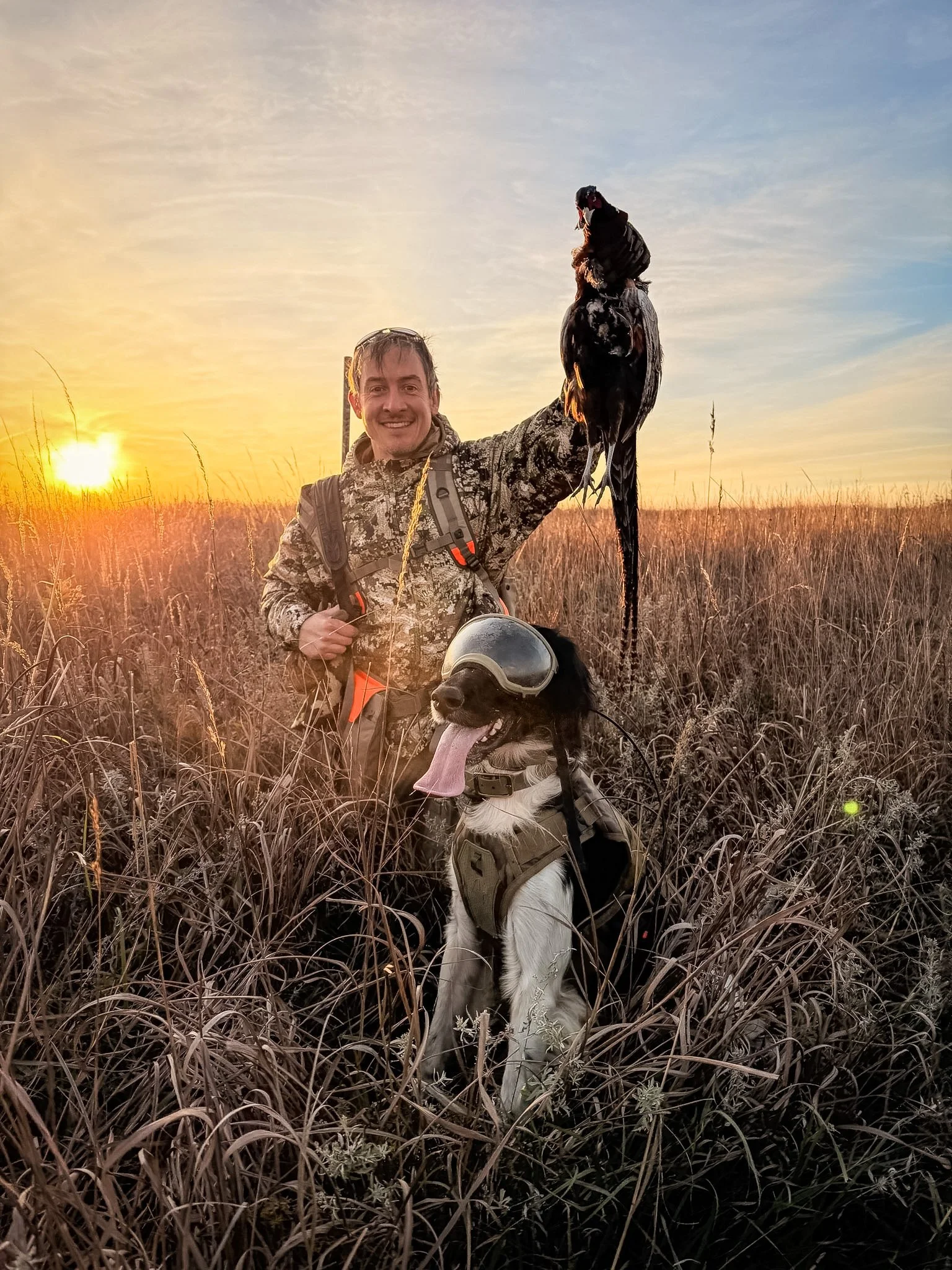
Kevin and Aldo with Kevin’s first wild rooster.
Read More Stories