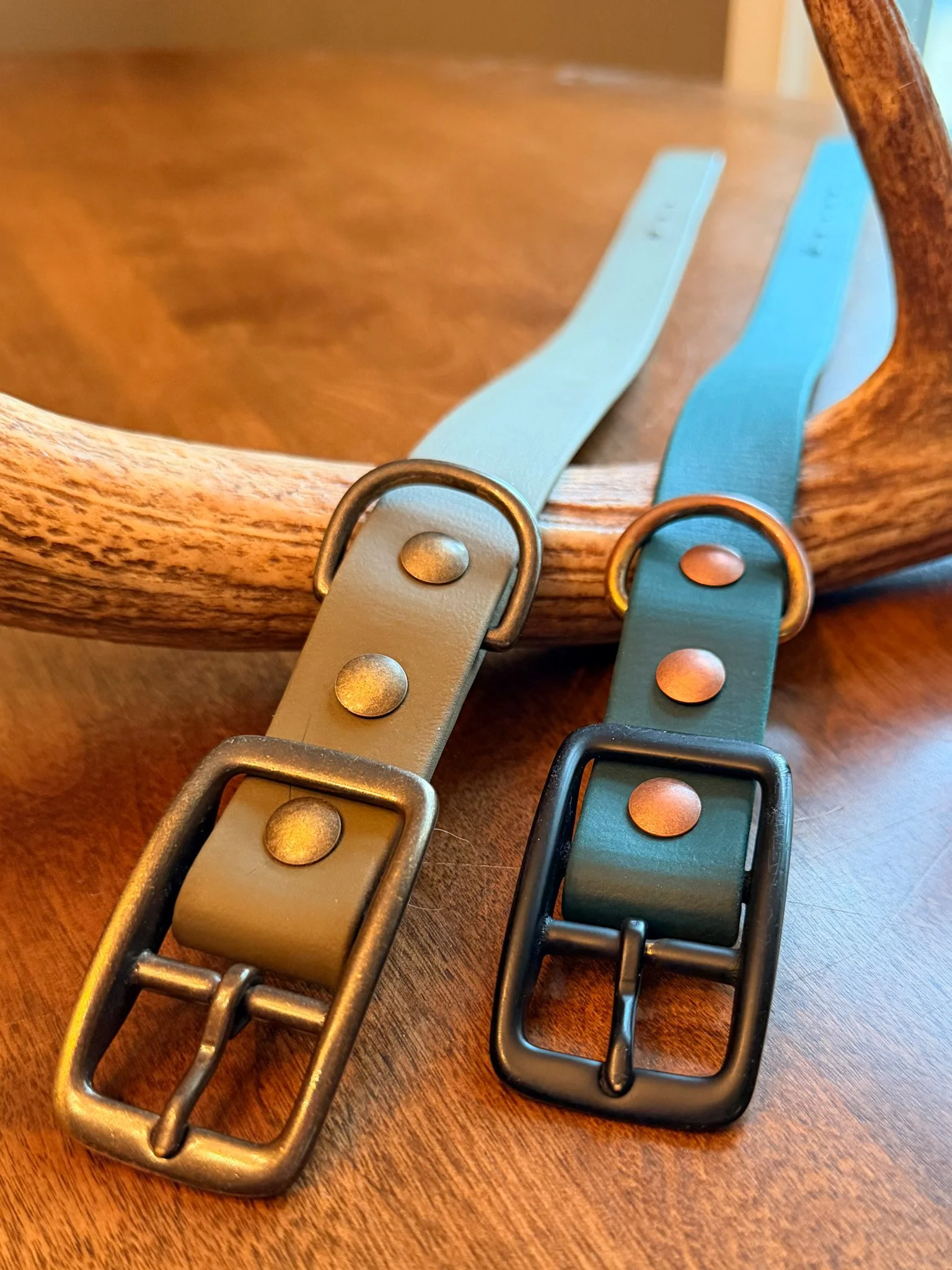
 Image 1 of 2
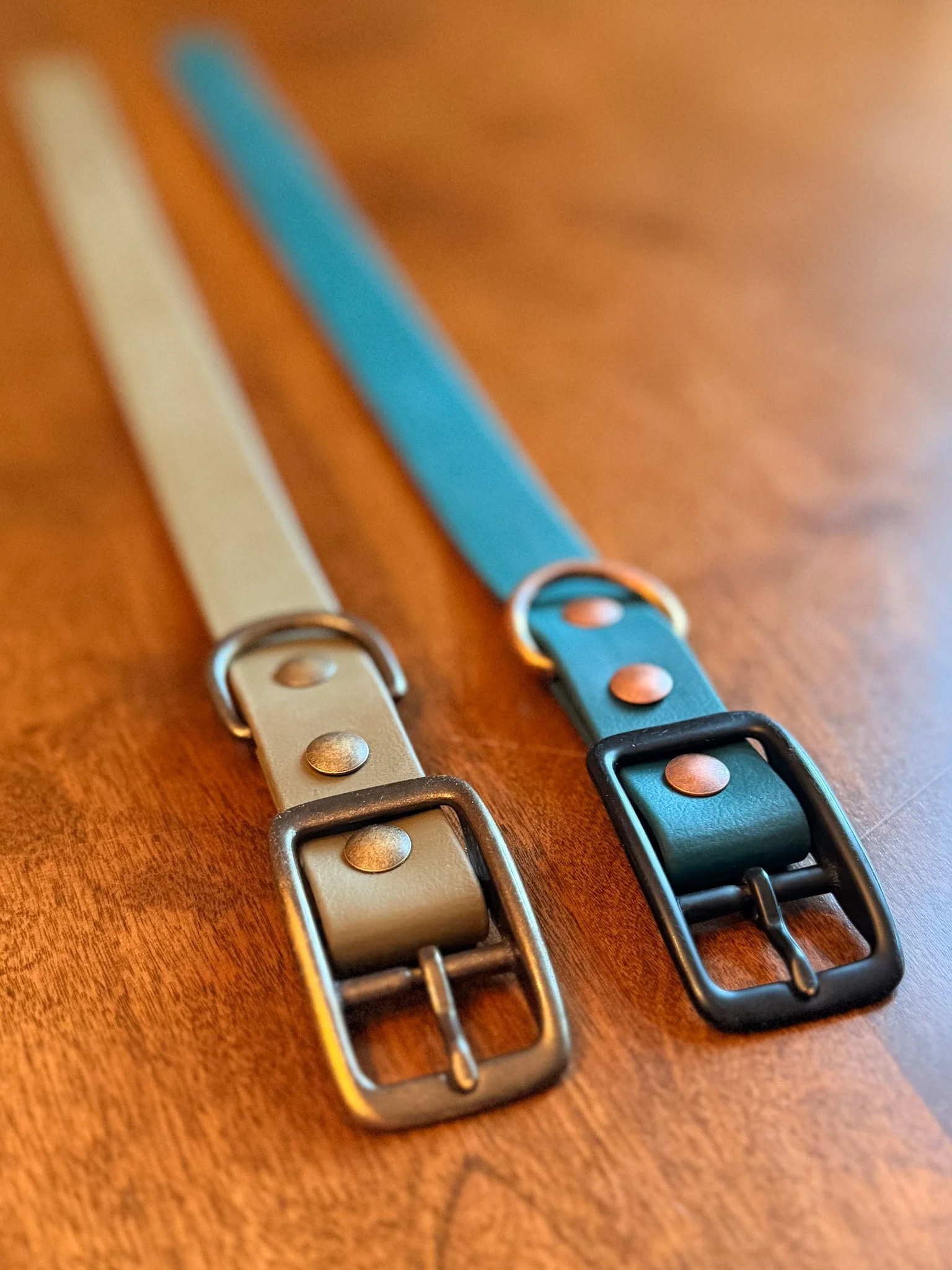 Image 2 of 2
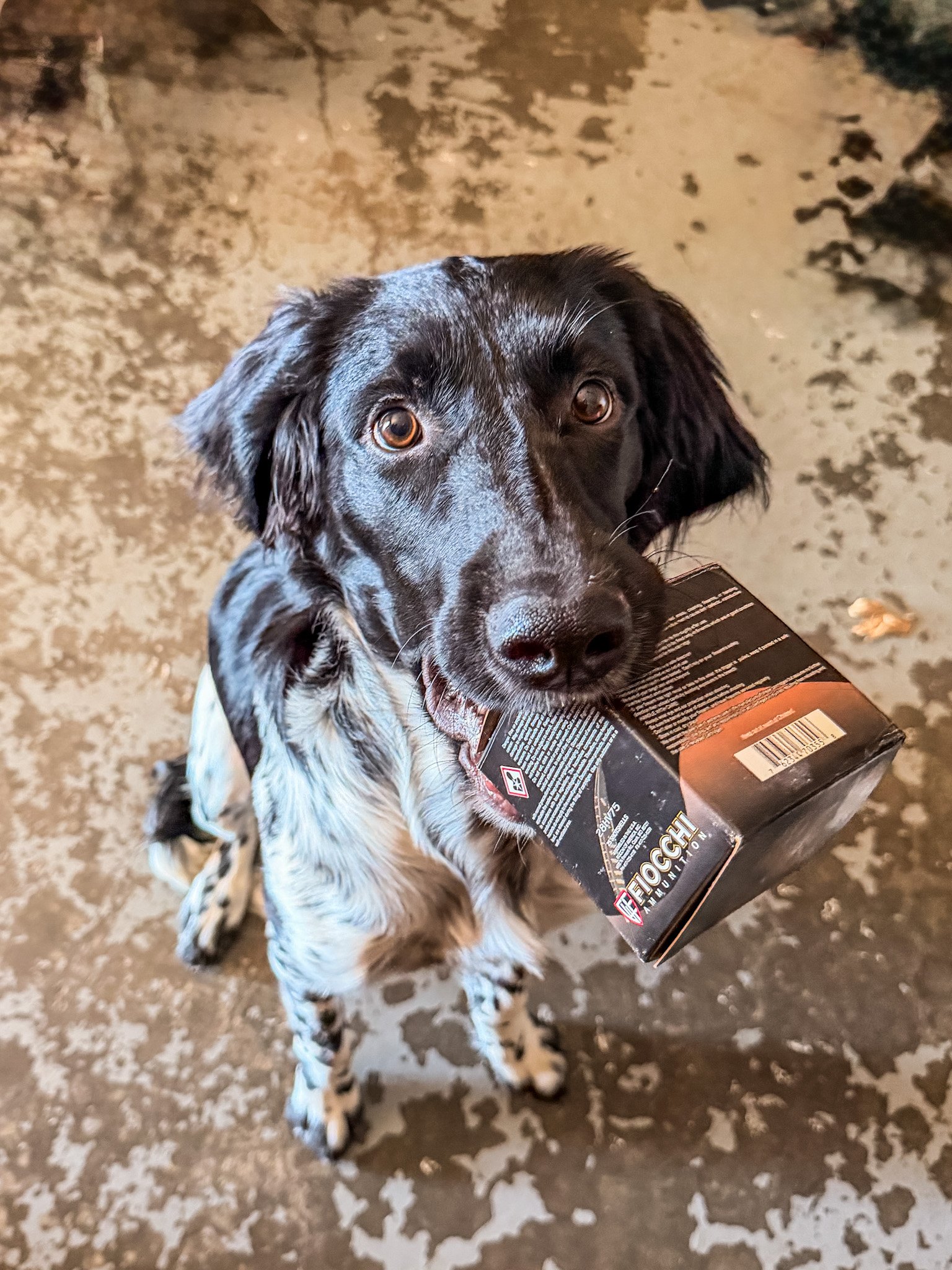
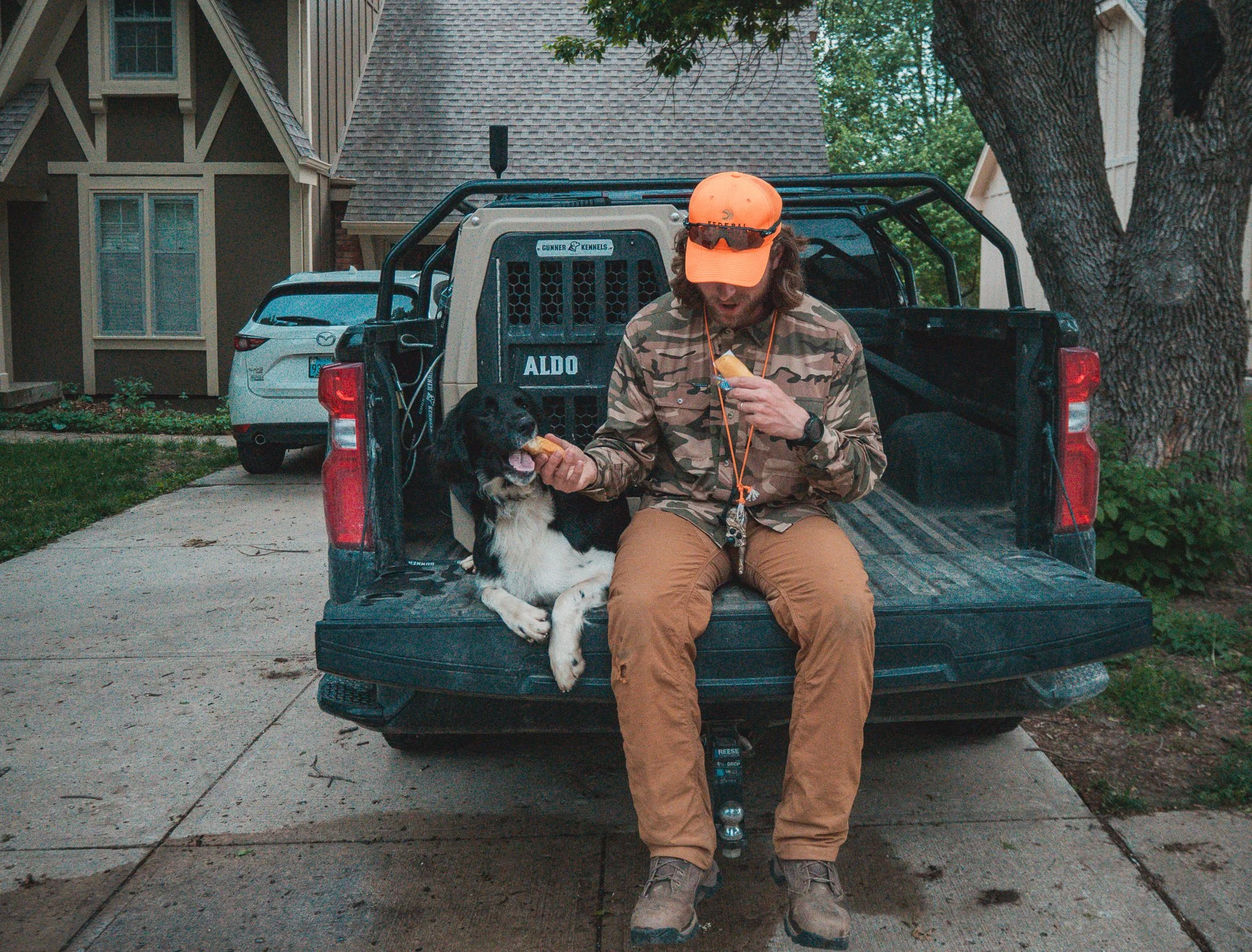
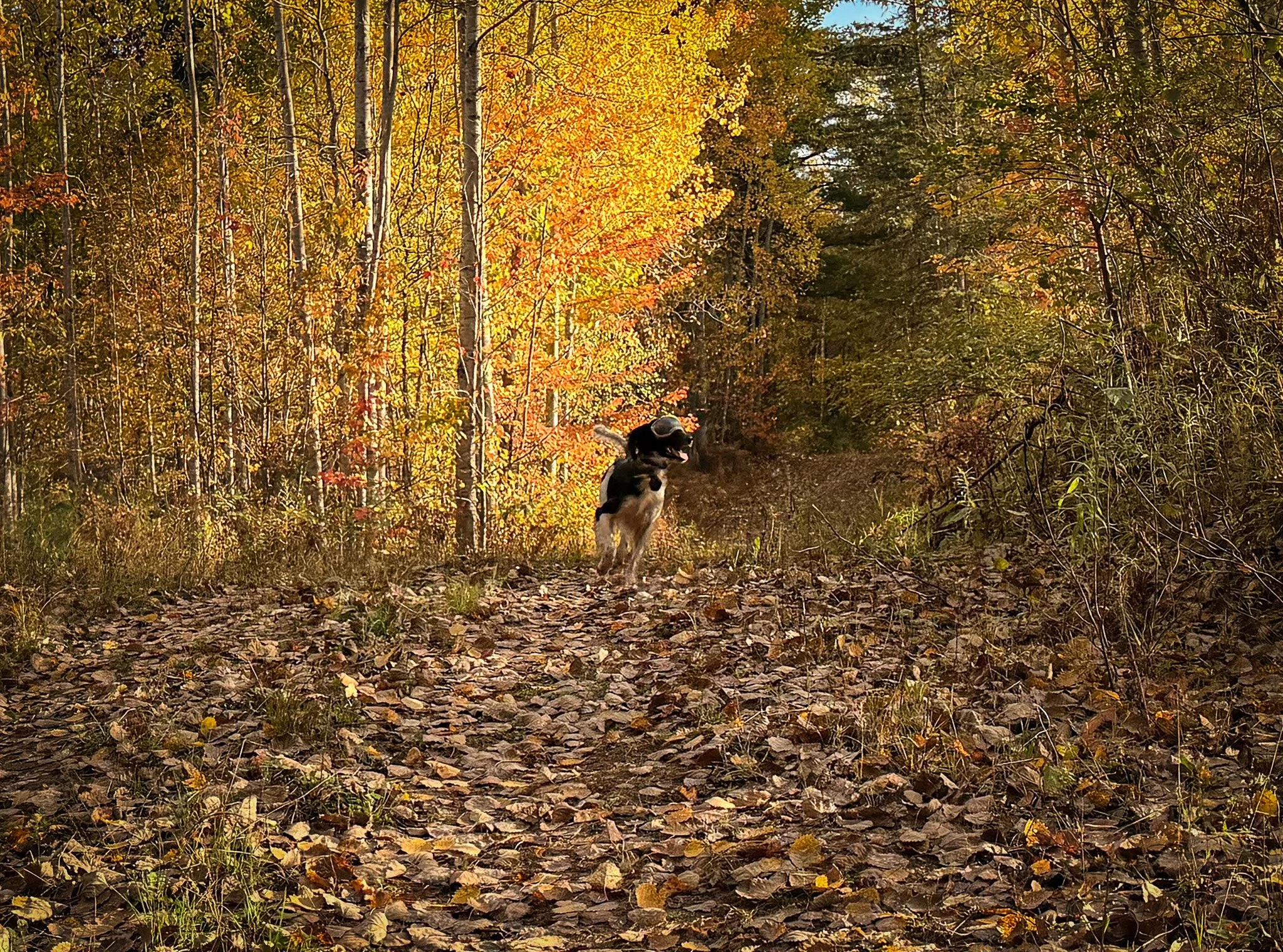
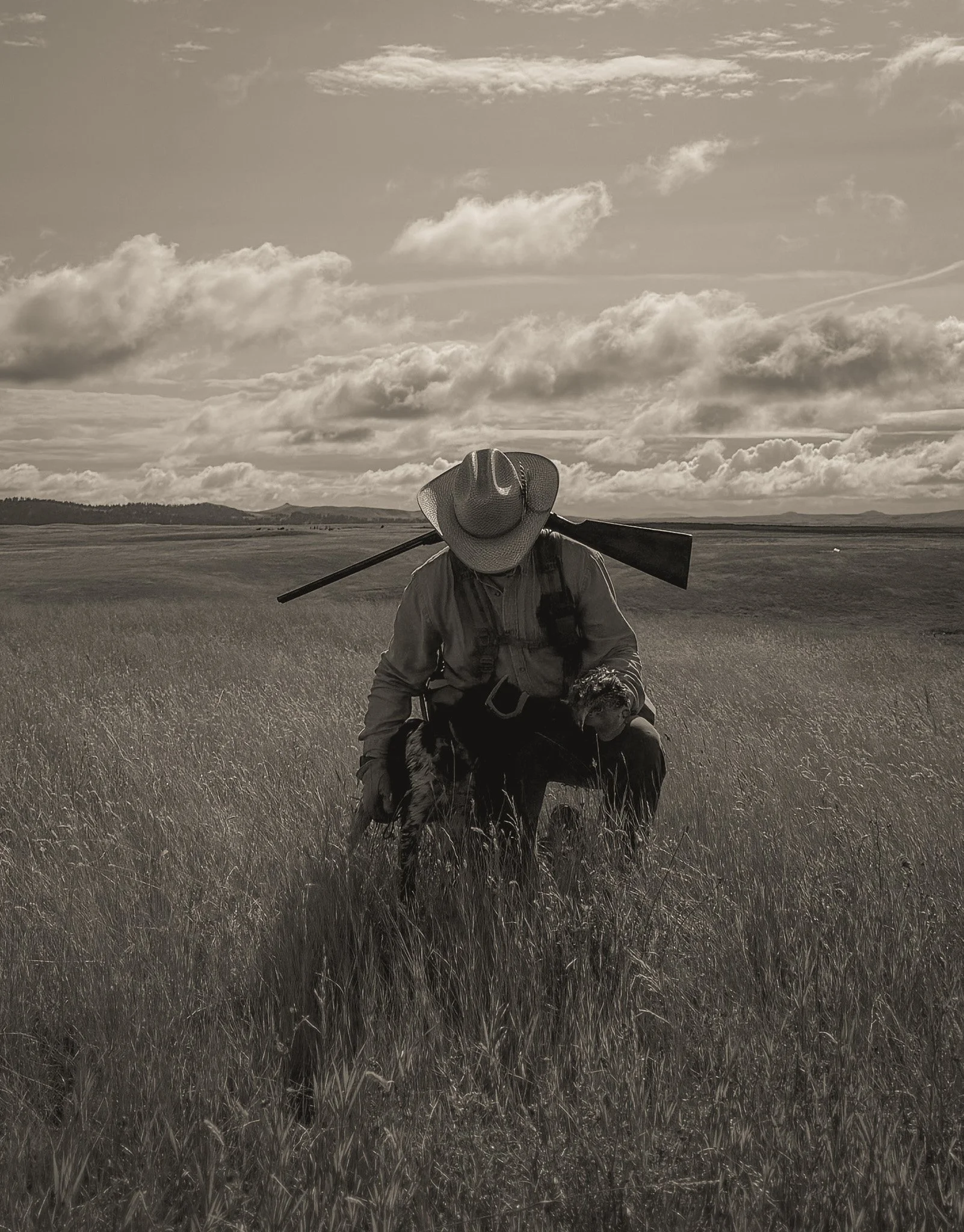
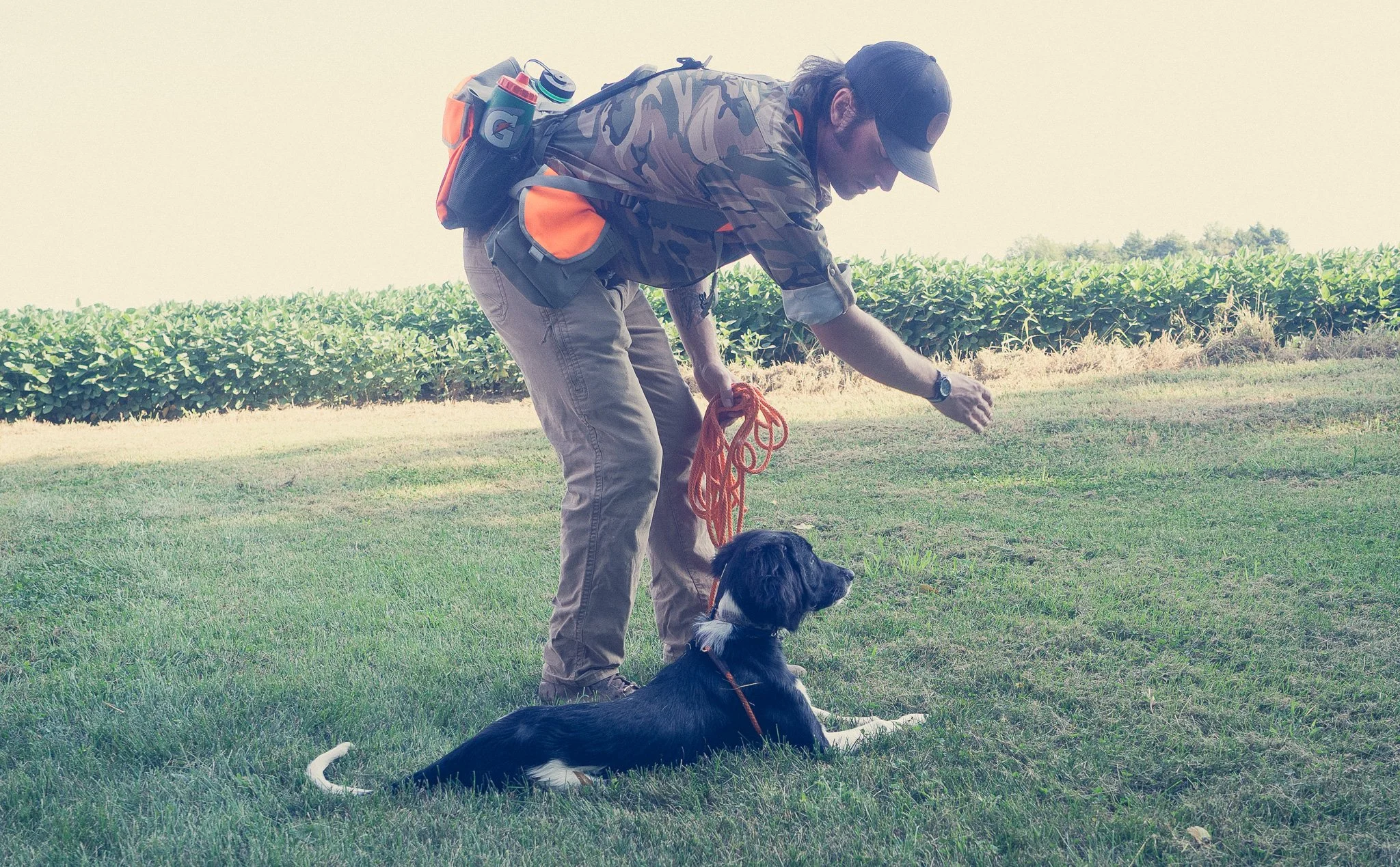
Read about Aldo and Amos, the dogs that wear these collars.
The GDY Gazette
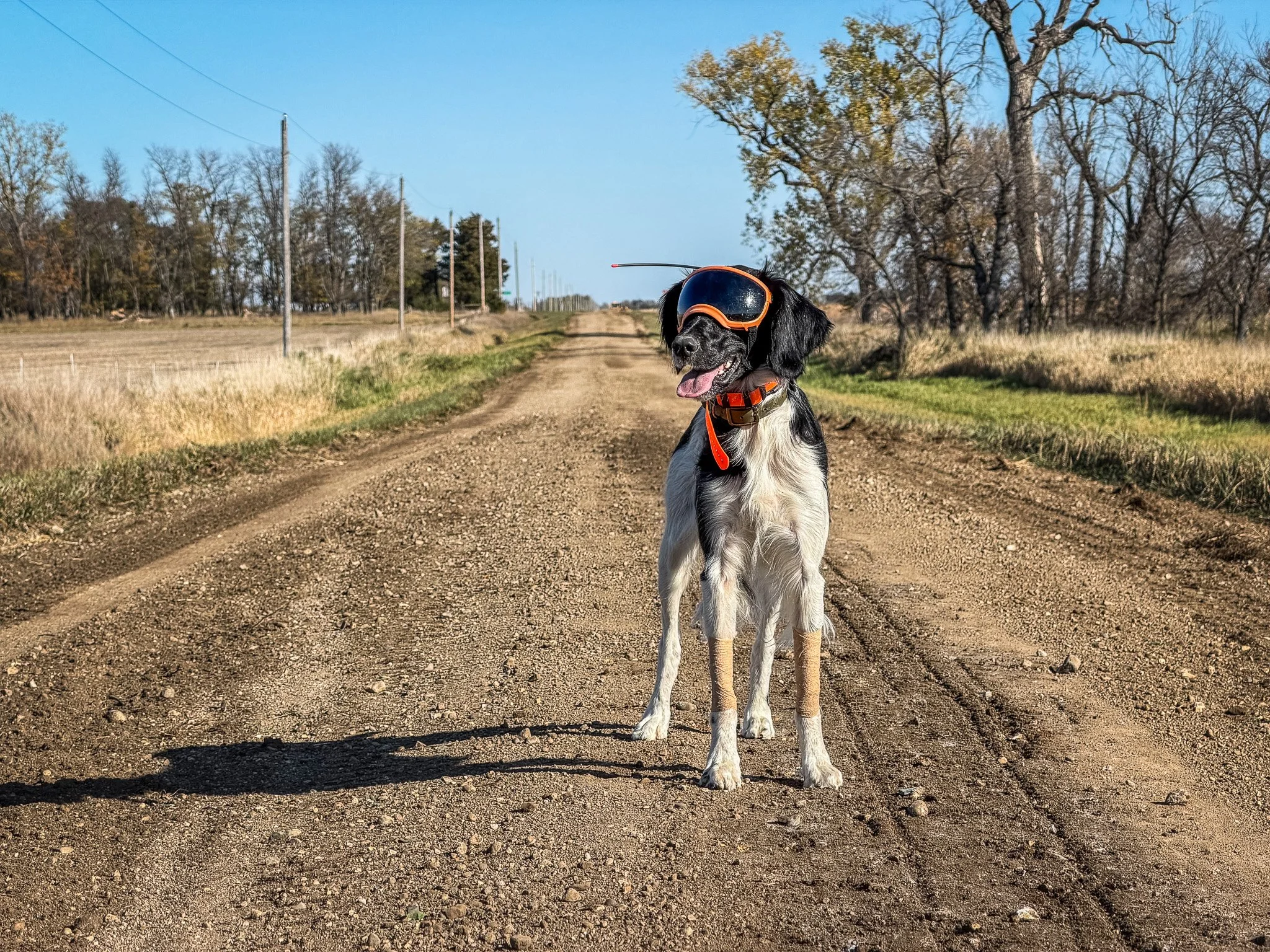
Simple, durable, and made for a working dog.
The Field Collar is a traditional buckle collar built from 1-inch BioThane for dogs that spend their time in the field, water, woods, and everywhere in between.
The 1-inch BioThane strap provides the durability of coated webbing without absorbing water, mud, or odor. A brass double-bar buckle provides a secure, adjustable fit, while a solid brass D-ring offers a dependable attachment point for a lead or identification tags. The hardware is secured with brass Chicago screws for a clean, rugged construction without stitching.
There are no unnecessary features here—just durable materials, traditional hardware, and a design made to be used.
Built for the field. Simple enough for every day.
Features
1-inch BioThane strap
Waterproof and easy to clean
Brass double-bar buckle
Solid brass D-ring
Brass Chicago screw construction
Resistant to water, mud, and odor
Adjustable fit
Handmade in the USA
Veteran-owned and operated
A bird hunt should require little more than a dog, a gun, and a few shells. Somehow, the dining-room table suggests otherwise. While packing for South Dakota, I confront Big Upland, 126 cups of dog food, and the uncomfortable truth that the hardest decisions with bird dogs cannot be packed for.
What began with a puppy stealing a Twinkie became a test day tradition. Years later, after setbacks, recovery, and countless hours of training, Aldo and I had the chance to earn our Twinkies all over again.
In Wisconsin’s Northwoods, twenty yards can feel farther than two hundred. Hunting ruffed grouse and woodcock with Aldo and six-month-old Amos, I began to realize that much of what I love about bird dogs is not simply the work they do, but the privilege of watching it unfold.
Amos arrived in Montana as a five-month-old puppy content to frolic across the prairie. Over one remarkable week, I watched that scattered enthusiasm begin to gather into purpose—and caught the first glimpse of the bird dog he may become.
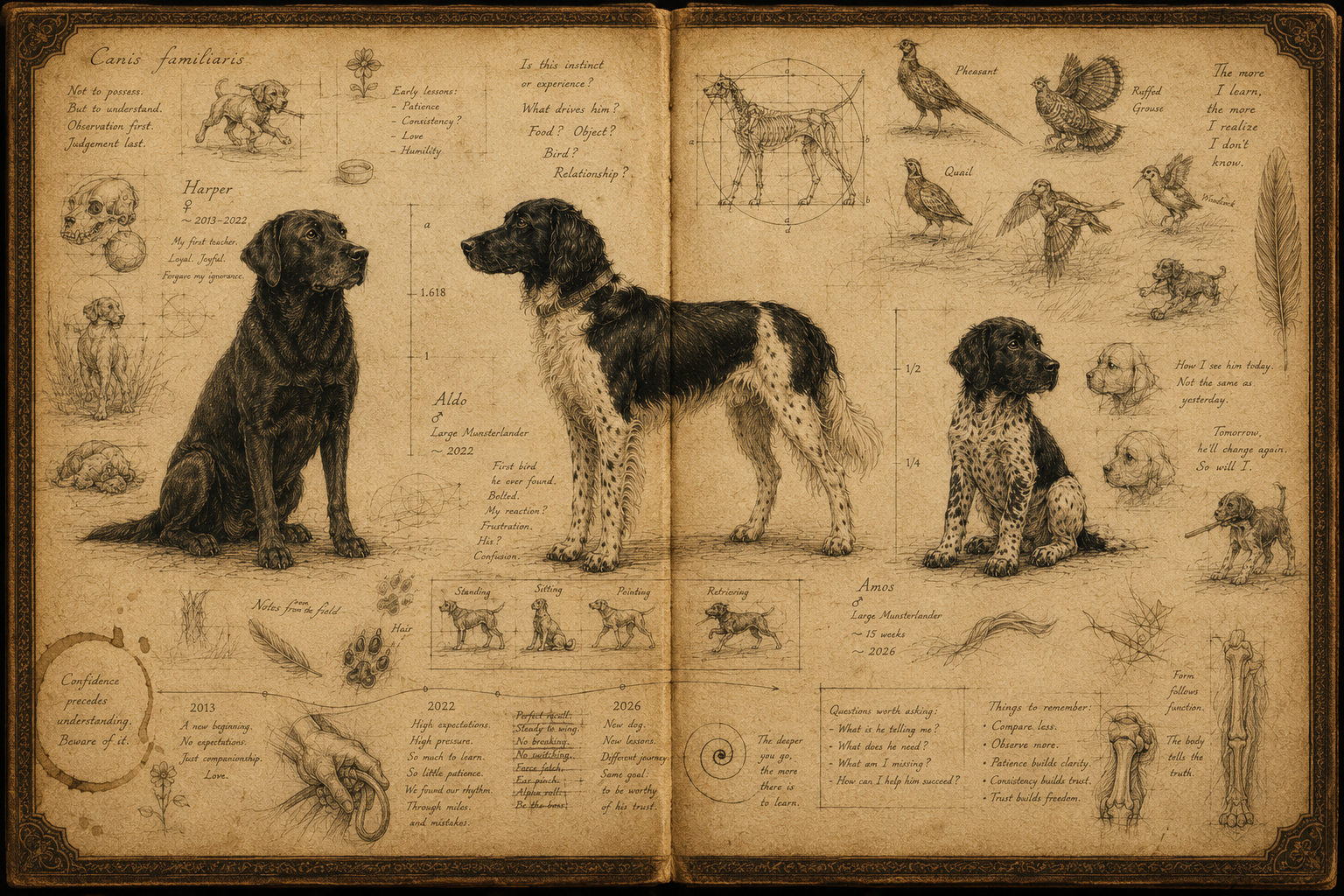
Every new dog teaches us something, but not always what we expect. As I raise my third dog, Amos, I find myself asking different questions than I did with Harper or Aldo. Experience hasn't removed uncertainty—it has replaced certainty with curiosity. The Dog's Apprentice is a reflection on dogs, observation, and the lifelong process of becoming a better handler, teacher, and student.
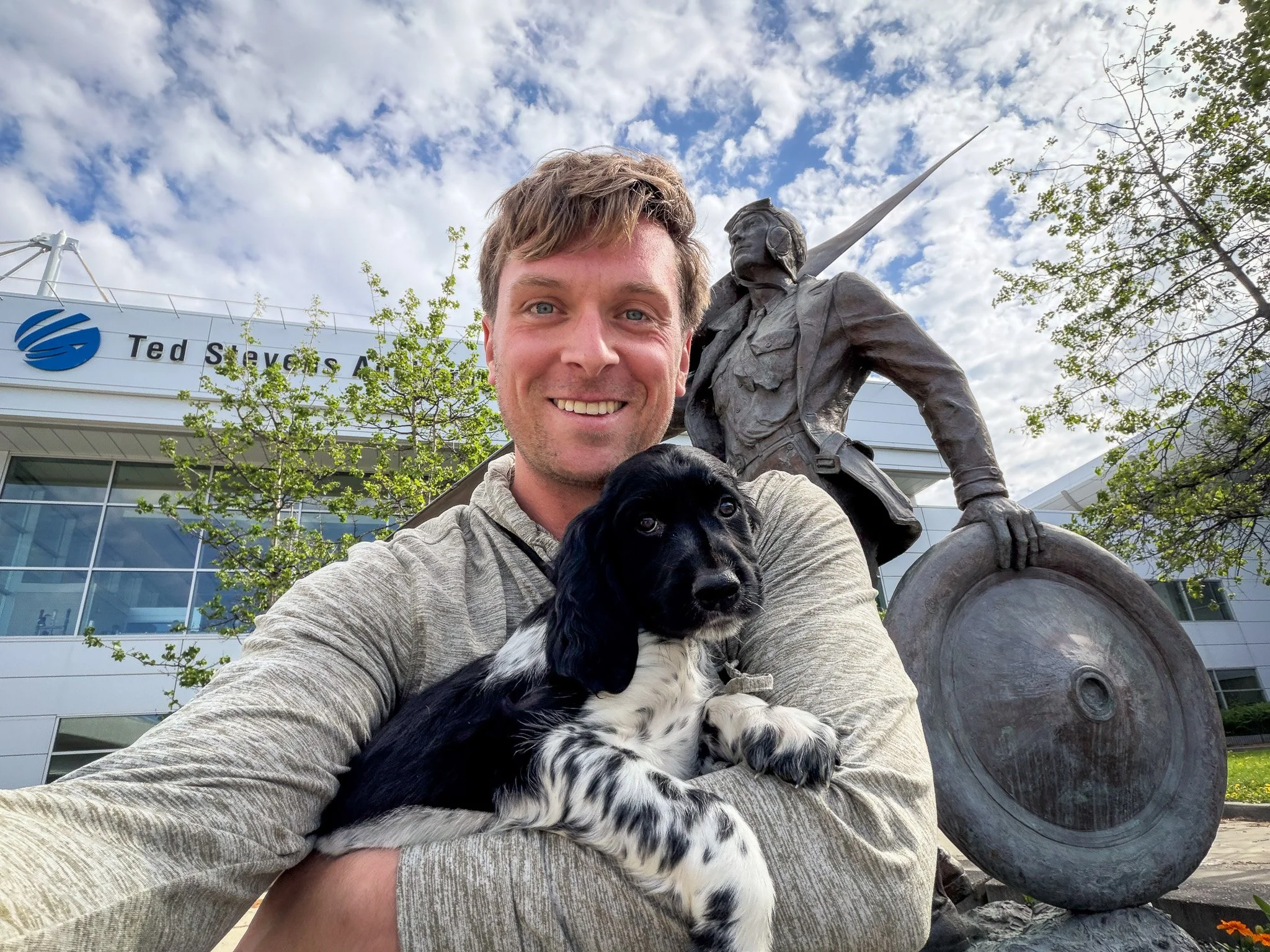
For nearly two years, I chased the next dog—through pedigrees, waitlists, failed breedings, and countless conversations with breeders. Just when it began to feel like chasing the Golden Fleece, a phone call from Alaska changed everything.
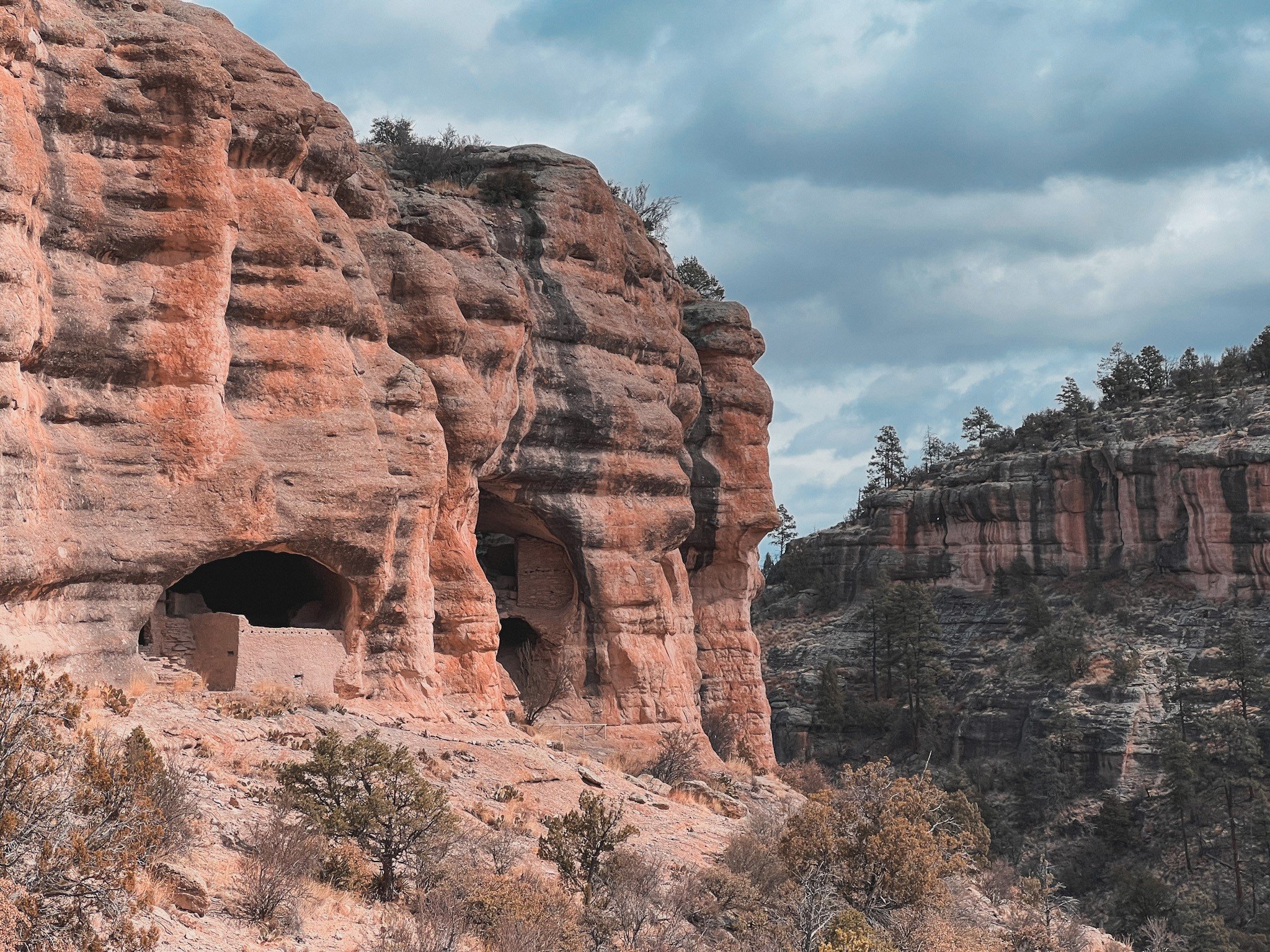
What follows is, on its surface, a morning walk through a snow-covered Santa Fe after a week spent chasing desert quail. But beneath the stone, it is a quiet, necessary pilgrimage into the Gila Wilderness—tracing the genesis of a bird dog's name, the history of our public lands, and the fragile nature of the conservation legacy we inherit.
We traded the friction of a real neighborhood for the convenience of a digital one, and in the process, we lost the ability to simply exist with people who aren't exactly like us. From the era of the corded kitchen landline to the "digital vacuum" of the smartphone, I found an unexpected antidote to modern isolation in a NAVHDA training field full of tall grass, fellow handlers, and chukar-filled toasters.
To this day, I am reminded of our decision each morning when Aldo climbs out of his kennel. I pull him into my arms, scratch behind his ears, and look deep into his one, soulful eye. What started as a routine Christmas Eve rabbit hunt evolved into a multi-year battle to save my dog's sight—and a hard-earned lesson in the reality of field injuries, the cost of specialized care, and the equipment that keeps a one-eyed dog in the game.