A 28-Gauge, Wild Pheasants, and the Limits of a Good Shotgun
There is a rooster mounted in my guest bedroom that appears determined to leave.
His wings are spread, his long tail feathers extended, and his body angled upward as though he might yet climb the wall and disappear into the next patch of Kansas grass. He has occupied that position for years, a reminder of one of the more memorable shots of my hunting life and the little shotgun that made it possible.
I bought that shotgun on a whim. It was a used CZ Ringneck, a 28-gauge side-by-side that caught my attention on the gun rack at Cabela's. I had no particular reason for wanting a 28. I wasn't pursuing some philosophy of small gauge shooting or looking to challenge myself with a lighter payload. I liked the gun, the price was agreeable, and I brought it home.
Shortly thereafter, I took it to my in law's pasture, where my brother-in-law began throwing clay targets for me. Much to my surprise, I could hit just about everything he sent into the air. The little gun came to my shoulder naturally, and before long I began wondering what it might do in the field.
So I took it pheasant hunting.
It was late season in Kansas, and two friends joined me for a weekend of walking the prairie. None of us owned a bird dog, which, in retrospect, probably explains a great deal about our success. We walked and walked, through fields that seemed to hold every promise of pheasants except the birds themselves. By the final afternoon, we had agreed to walk one last field before calling it a weekend.
Somewhere in that final stretch of grass, a rooster erupted.
The bird was magnificent, climbing hard and sailing toward a nearby state highway. Unfortunately, he wasn't the only thing moving in that direction. An approaching minivan entered the picture, and for one unforgettable moment, looking down the rib of my shotgun, I saw a rooster and a windshield.
I remember the driver's eyes.
I suspect he remembers mine, too, or perhaps only the unsettling sight of a hunter with a shotgun and a rooster flying toward his vehicle.
I held my shot as the minivan passed. Then, with precious little time remaining, I fired.
The rooster folded.
I was astonished. Not merely because we had finally found a bird, or because I had managed to connect after a weekend of walking, but because the little 28-gauge had brought down such a splendid, late-season Kansas rooster.
My pea shooter had done the job.
At the time, I didn't spend much effort considering whether a 28-gauge was enough gun for wild pheasants. I had bought one, discovered that I could shoot it reasonably well, and killed a rooster with it. That seemed sufficient evidence to me.
It would take years before I appreciated how little that encounter actually proved.
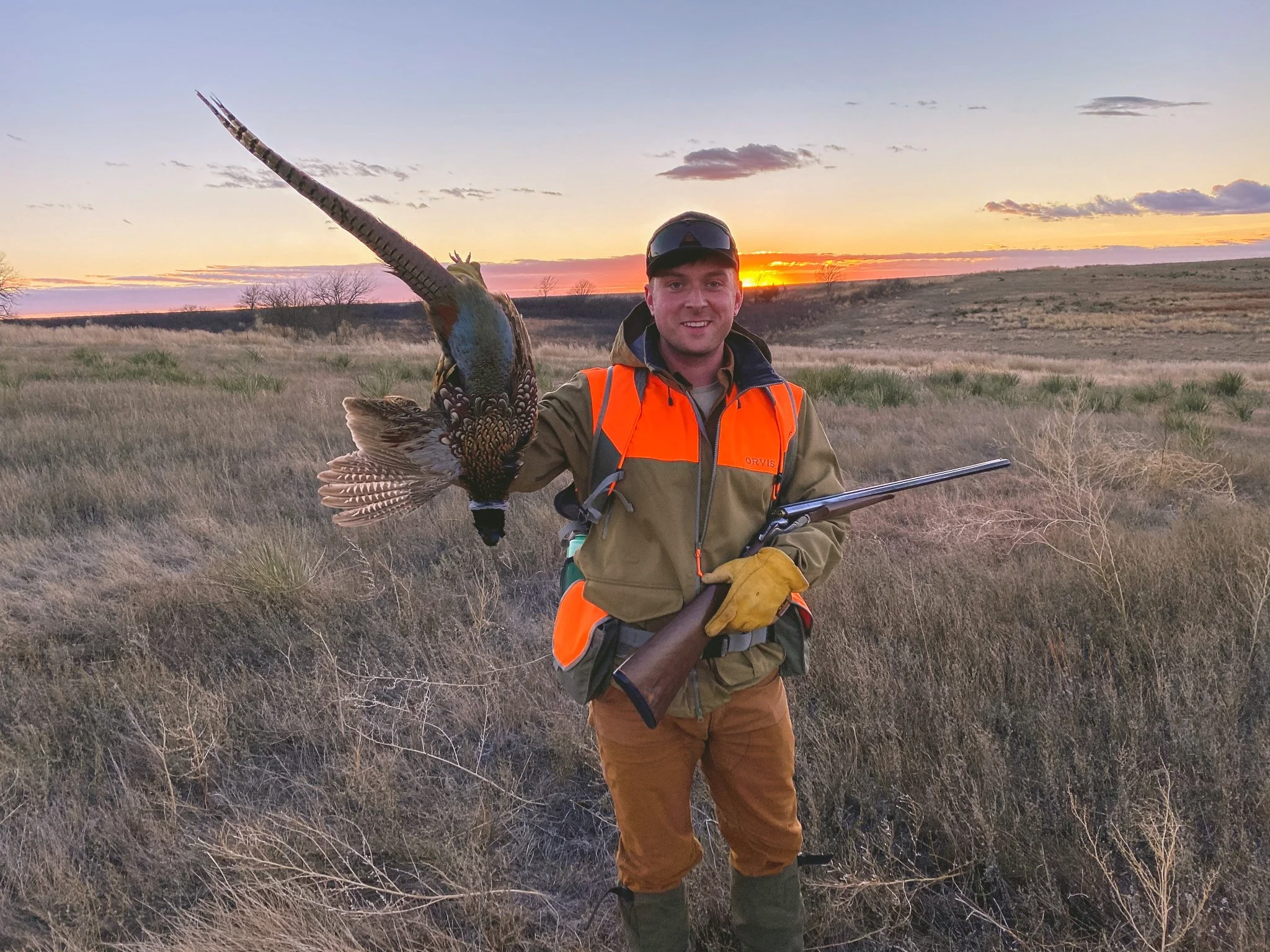
The first bird I bagged with a 28ga—a late season Kansas rooster.
An Accidental Convert
My Ringneck eventually met an unfortunate end in a car accident, snapped in half and beyond repair. By then, what had begun as an impulsive purchase had become a genuine preference. I wasn't especially interested in replacing the Ringneck with a different gauge. I wanted another 28. The trouble was finding one.
At the time, the market seemed rather thin compared with the seemingly endless varieties of 12- and 20-gauge shotguns available. I eventually settled on the CZ Sharp-Tail, the Ringneck's successor, partly because I liked the gun and partly because there weren't many alternatives that appealed to me.
In the years since, I've watched the 28-gauge attract considerably more attention. There seems to be no shortage of articles praising its handling qualities, manageable recoil, and surprising effectiveness. Manufacturers have introduced additional shotguns and ammunition offerings, and the little bore enjoys a degree of popularity I don't recall when I first picked up that used Ringneck.
Perhaps my timing was fortunate. I arrived at the party before it became fashionable, although I had no idea there was a party to attend.
Since that first rooster, I've carried 28-gauge shotguns across much of the upland country I love. They've accompanied me in pursuit of pheasants, chukar, Hungarian partridge, all manner of grouse, woodcock, and dove, along with the occasional rabbit or squirrel.
Some of that quarry seems perfectly suited to the popular conception of the little bore. Woodcock and dove hardly raise an eyebrow. A hard-flying chukar crossing a canyon or a late-season rooster breaking wild from the prairie, however, tends to invite a different conversation.
Is that really enough gun?
It's a reasonable question, even if I find some of the answers less reasonable.
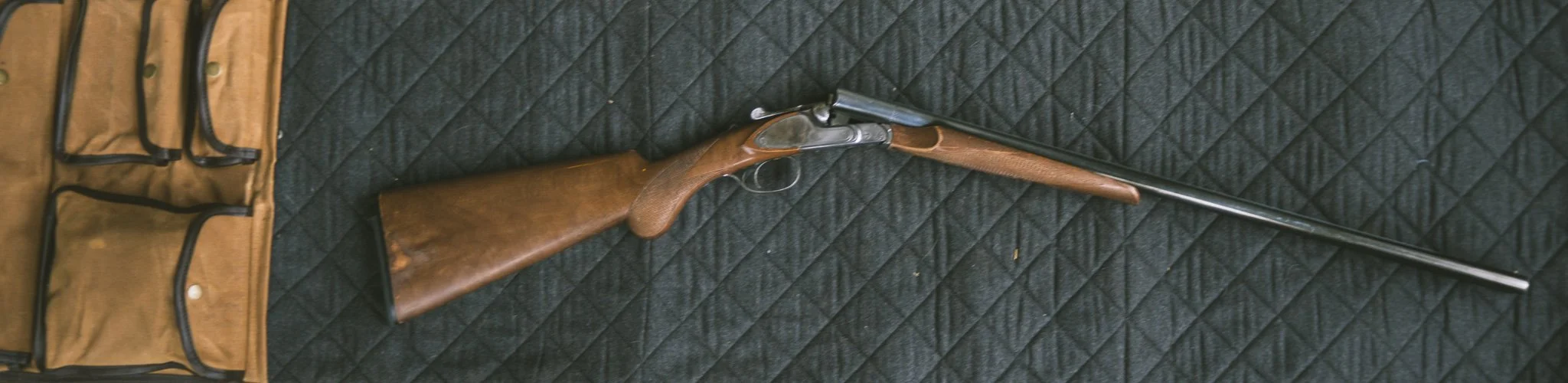
My first 28ga, a CZ Ringneck with 26” barrels bought used at a Cabela’s.
Enough Gun for What?
The question is usually presented as though the gauge itself should settle the matter. Some enthusiasts speak of the 28 as a nearly magical instrument, capable of doing everything its larger counterparts can accomplish with none of the burden. Others seem convinced that carrying one after wild pheasants constitutes an ethical compromise before the first bird has even flushed.
Neither position strikes me as particularly useful. A shotgun doesn't become effective or ineffective merely because of the number stamped on its barrel. What matters is the combination of gun, choke, ammunition, distance, conditions, and, perhaps most importantly, the person pulling the trigger.
The 28-gauge has limitations. Its commonly available loads generally carry less shot than comparable offerings in larger gauges, and fewer pellets can present challenges when attempting to maintain an effective pattern at greater distances. Pellet size, material, velocity, and retained energy further complicate the equation. Of course, modern ammunition can change those calculations considerably, but it cannot eliminate them. Enter, patterning a shotgun.
I am a firm believer that a hunter must pattern their shotgun. It took me a few years to come to that conclusion, and I certainly bagged plenty of ducks and pheasants without knowing any better, but I've spent enough time shooting patterns onto paper now to know that assumptions are poor substitutes for evidence. A particular load may perform beautifully through one choke and disappoint through another. Two shotguns of the same gauge may produce notably different results with identical ammunition. Even a load that appears promising on its packaging may fail to provide the pattern I want at the distance I intend to shoot.
And yet, I think hunters sometimes become so preoccupied with what a shotgun can accomplish at the outer edge of its performance that we overlook the circumstances in which we actually intend to use it. I’ll use my own preferences for a supporting argument: I spend considerably more time carrying a shotgun than shooting one. Over the course of a day, the gun rests in my hands or across my shoulder for hours, occasionally interrupted by a few seconds of activity. How it carries, balances, and comes to shoulder matters enormously to me.
The 28-gauge shotguns I've owned have suited those preferences exceptionally well. That doesn't mean every 28-gauge is lighter or better balanced than every 20-gauge. The particular gun matters as much as the bore. Nor does it mean that I believe the 28 is universally superior.
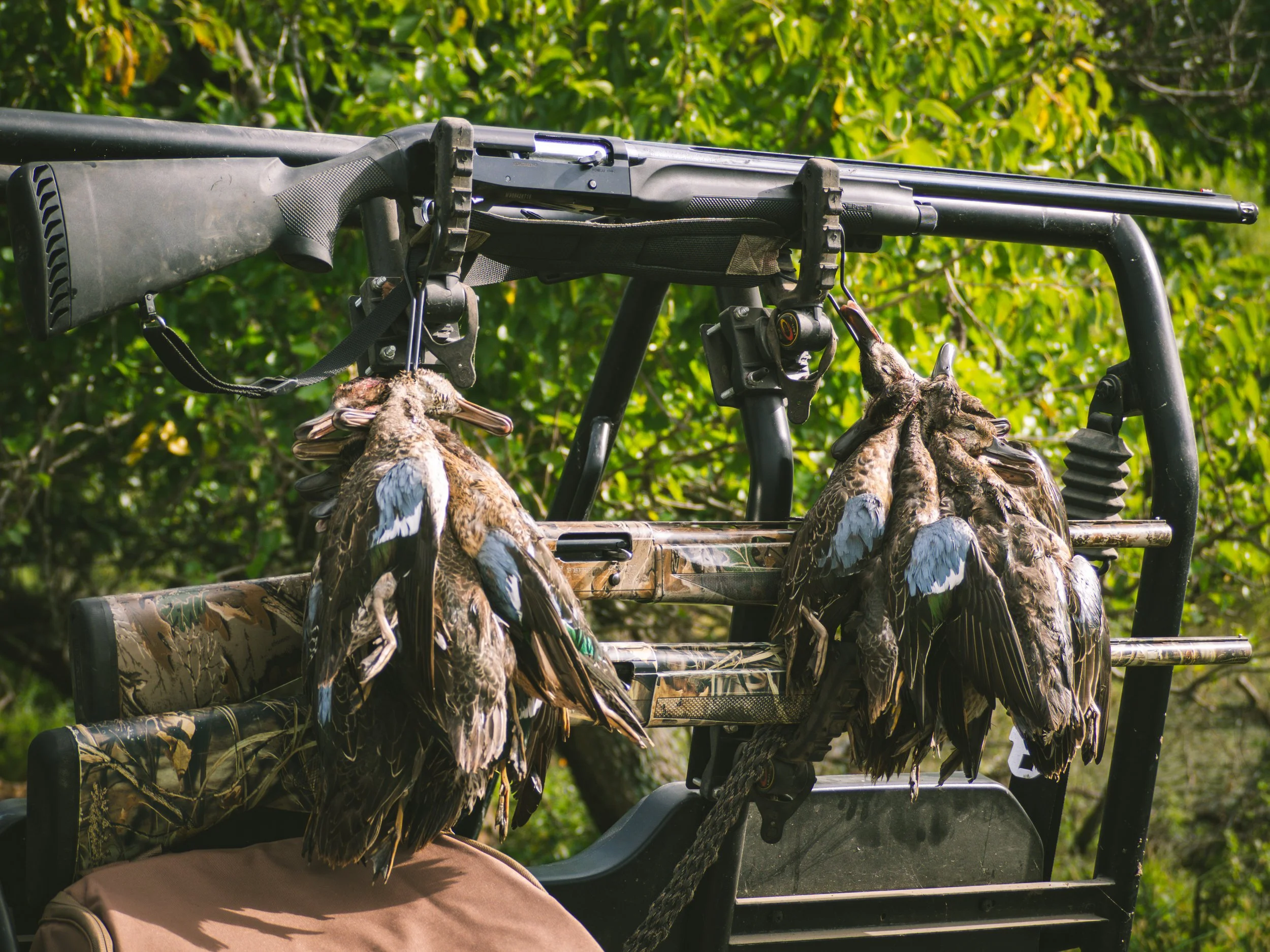
I still carry a 12-gauge when duck hunting. I've yet to find a steel load that patterns to my satisfaction in my 28s, although I don't doubt that satisfactory combinations exist. I also have cases of 12-gauge ammunition already purchased, and I see little reason to abandon a perfectly capable tool in pursuit of something smaller.
In fact, if someone asked me to recommend a first shotgun, particularly one intended for a wide variety of hunting and shooting activities, I would probably suggest a 20-gauge. It strikes me as an excellent compromise, offering versatility, manageable handling in many configurations, and a broad selection of ammunition. For someone who wants one shotgun to accomplish many things, that's a compelling proposition.
And for a hunter without a dog, walking late-season pheasant cover and anticipating wild flushes, I would have no objection to recommending a 12-gauge. Its available payload options may provide a useful advantage when the birds and conditions demand them, provided the hunter has patterned the gun and stays within responsible shooting distances.
There is nothing less sporting about that choice. Which raises an interesting question: If I don't believe the 28-gauge is necessarily the best tool for every hunter, or even for every kind of hunting I do, why am I so fond of carrying one?
I suspect the answer has less to do with the shotgun than with the dogs.
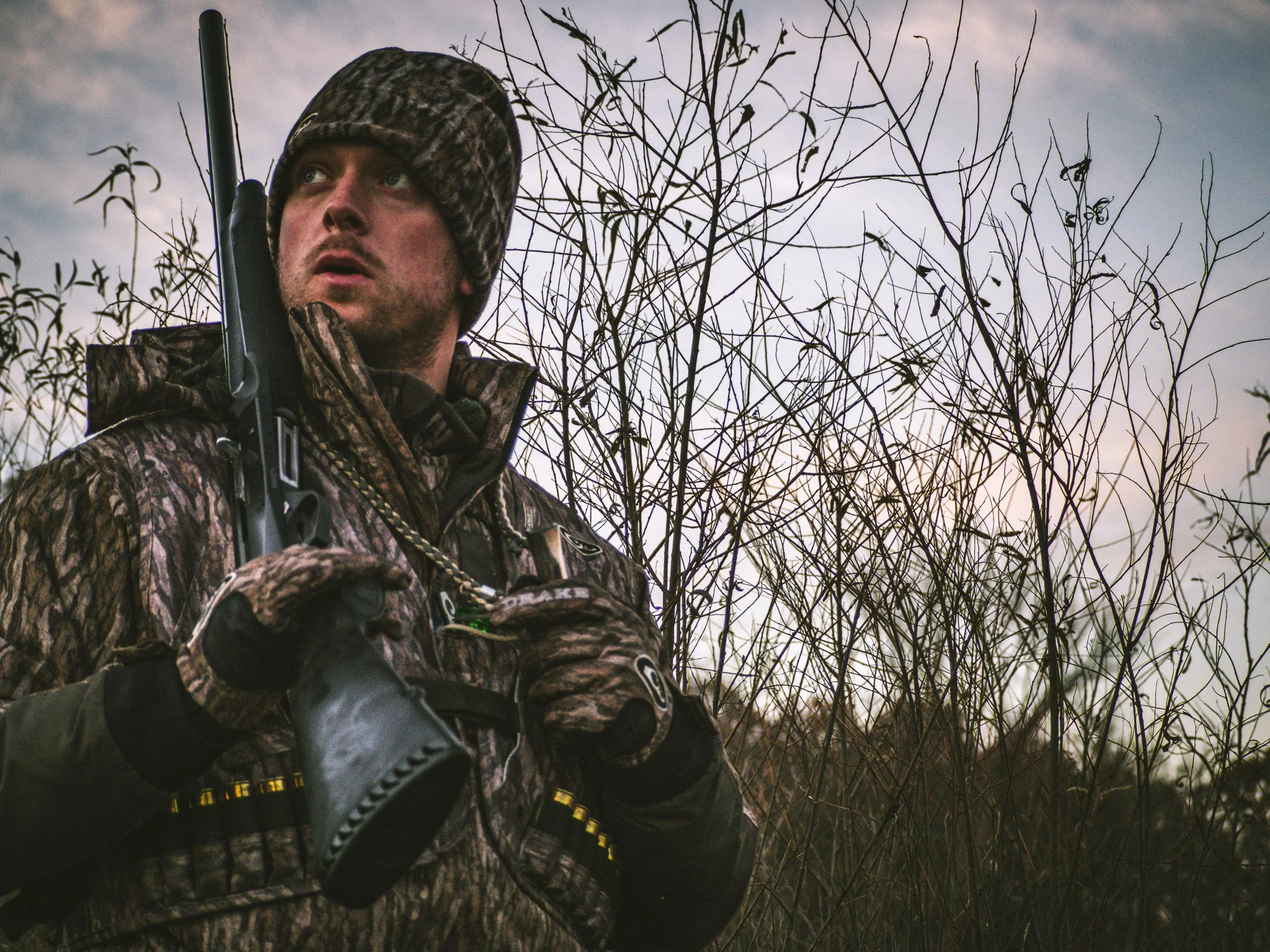
As much as I love my side-by-side 28ga for upland bird hunting, I still prefer to use a 12ga auto loader when I’m in the marsh.
The Dogs Changed the Question
I spent seasons hunting, both upland game and waterfowl, without a bird dog. Upland hunts were spent walking through the prairie hoping to encounter pheasants and quail. I found birds with my boots, and when one finally flushed within shooting distance, I had every intention of taking the opportunity. There really wasn’t much more to that plan.
Then came Aldo.
Aldo introduced me to an entirely different way of hunting, one in which the shotgun remained important but gradually surrendered its place at the center of the experience. With a pointing dog, the encounter begins long before the bird takes flight.
The dog casts across the landscape, working through cover that appears empty to us but contains a world of information carried by the wind. He encounters scent, adjusts his course, and eventually, if the circumstances cooperate, stops.
There is something remarkable about watching a dog transform an invisible trace of scent into a visible declaration that a bird is somewhere ahead. The hunter approaches. The bird flushes. The gun comes up, and perhaps a shot is fired.
If everything goes well, the dog makes the retrieve, completing a sequence that began long before the hunter knew there was a bird to be found.
For me, there is an almost inexplicable beauty in that sequence. The dog working an invisible thread of scent, the sudden stillness of a point, the explosive interruption of wings, and the retrieve that brings it all to a close. It is a fleeting work of art, performed without an audience and never quite the same way twice.
Now, with Aldo and Amos working ahead, I find myself increasingly interested in the entirety of the encounter rather than merely its conclusion. This has changed how I think about shooting opportunities.
A rooster might erupt from the grass forty yards away, already committed to leaving the country. Depending on the gun, ammunition, conditions, and presentation, a shot might be possible. But possible and desirable are different things.
More often than not, I would rather watch where that rooster lands and guide the dogs into the next piece of cover. Perhaps they'll find him again. Perhaps he'll run us halfway across the prairie before flushing even farther away. Perhaps we'll never see him.
That's part of the bargain.
I don't mean to suggest that a bird killed over a pointing dog is somehow more legitimate than one taken by a hunter walking without dogs. I have enjoyed both, and I don't believe hunting requires a particular method to be worthwhile—but I know what I enjoy most.
I want to watch the dogs search. I want to see them use their noses and make decisions. I want to approach a point with that familiar anticipation, knowing that something remarkable may happen in the next few seconds. I want the retrieve, too, if the opportunity presents itself. The shotgun is part of that experience, but it is not the experience itself.
Somewhere along the way, that distinction changed what I needed from the gun in my hands. I no longer feel particularly compelled to maximize every possible shooting opportunity. I don't require a shotgun capable of accommodating every circumstance I might encounter because I don't necessarily intend to shoot in every circumstance.
The 28-gauge suits much of the hunting I choose to do, and that is a different proposition from claiming it is enough for everything.
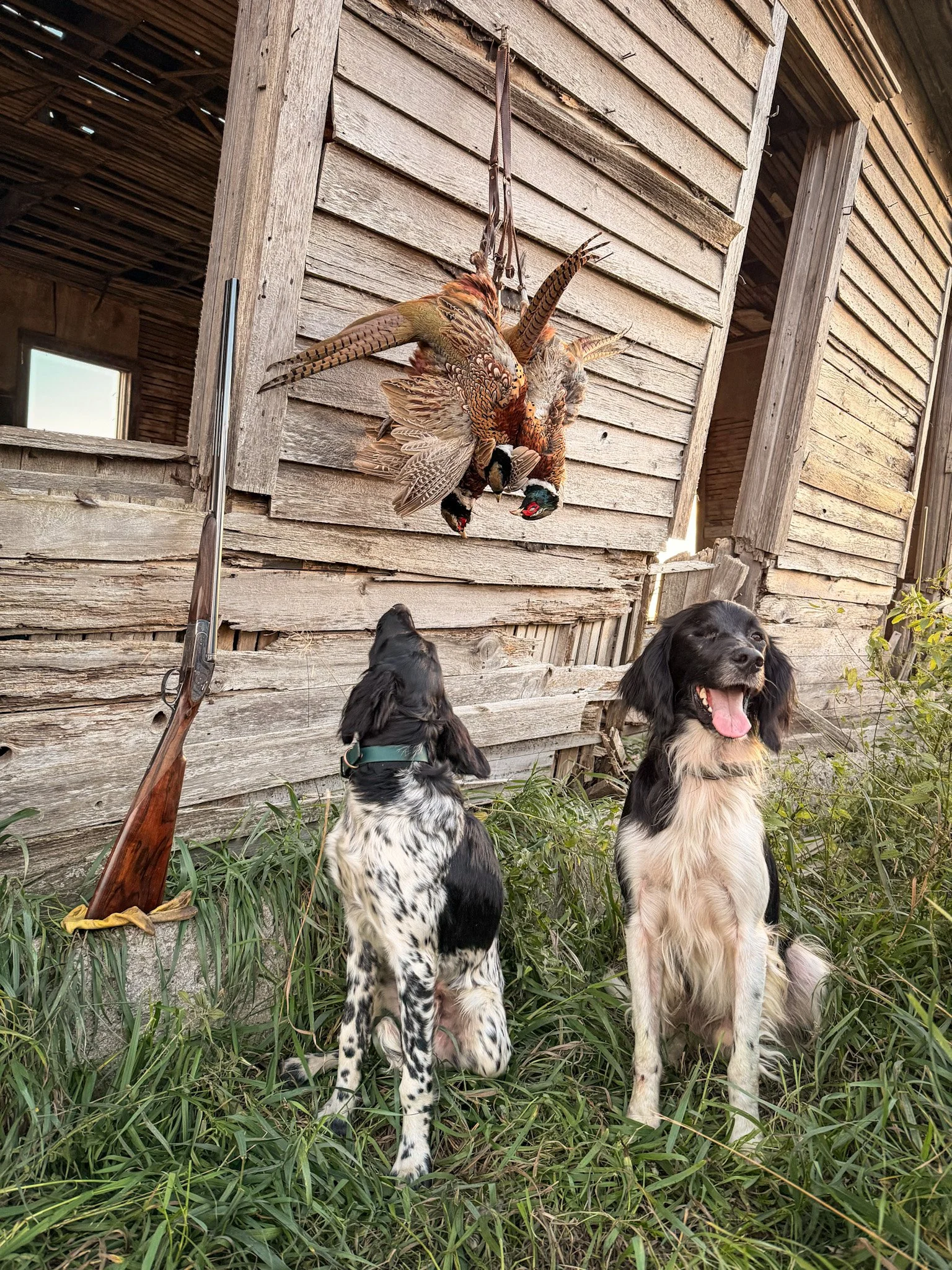
Aldo, right, smiles for the camera while Amos, left, contemplates eating a pheasant. Penelope, my go-to 28ga leans against the dilapidated house on the South Dakota prairie.
The Ethics of Enough
There's an ethical dimension to this discussion that deserves more consideration than the familiar arguments about gauge and payload, barrel length and action. I understand why someone might question the use of a smaller shotgun on wild pheasants, particularly if they've witnessed birds wounded by inadequate patterns or shots taken beyond reasonable distances—those concerns are legitimate.
A hunter has a responsibility to select equipment appropriate for the quarry and circumstances, understand its capabilities, and exercise sound judgment about when to shoot. That responsibility doesn’t vanish when a hunter carries a 12-gauge. A larger payload cannot compensate for poor judgment. Neither can expensive ammunition, a fashionable shotgun, or a shooter's confidence in his own abilities.Likewise, carrying a 28-gauge does not make someone inherently more disciplined, ethical, or sporting.
I sometimes wonder whether our fascination with equipment leads us to assign moral qualities to objects that properly belong to the people using them. A hunter carrying a 28-gauge and taking irresponsible shots is not demonstrating refinement or restraint. He's simply making poor decisions with a smaller shotgun. A hunter carrying a 12-gauge who understands his equipment and declines questionable opportunities has demonstrated something far more meaningful.
There is also a distinction between the limits of a particular shotgun and the choices of the person carrying it. I've passed on shots that a properly loaded 28-gauge might have handled perfectly well. I've also passed on shots because I didn't trust the particular combination of ammunition, distance, and circumstances. Those are different decisions, even if the outcome is the same.
One reflects what I want from the hunt. The other reflects what I believe I can responsibly accomplish. Neither should be confused with a universal declaration about the gauge itself. Perhaps this is why I've become increasingly skeptical of categorical arguments about whether a particular shotgun is enough.
Enough for whom?
Enough for what?
A hunter walking a late-season Kansas field without dogs may reasonably want something different from a hunter following a pair of pointing dogs through Montana grouse country. A waterfowler shooting steel over decoys faces different considerations from someone pursuing woodcock in the alder thickets.
The conditions, the quarry, the equipment, and the hunter's intentions all matter.
It's tempting to simplify these questions into rules that apply everywhere. But good judgment rarely comes from ignoring the particulars.
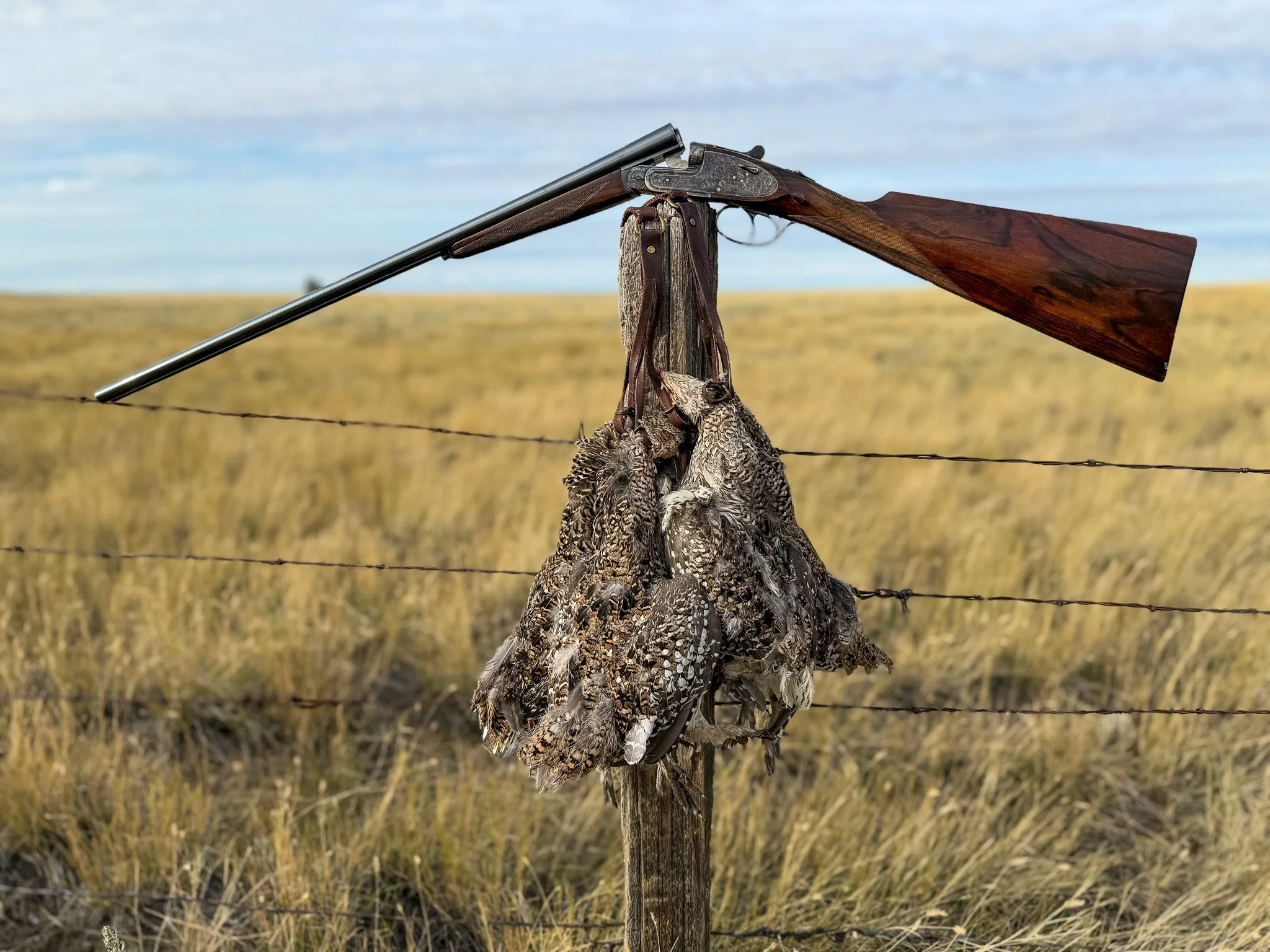
Penelope, my Spanish-made 28ga with a limit of Montana sharp-tails.
The Rooster, Reconsidered
When I first brought that rooster—the one I shot with my secondhand CZ Ringneck—home, I considered him evidence that my little 28-gauge could do the work of a larger shotgun. I was proud of the bird, pleased with the gun, and rather delighted with myself.
I still appreciate that memory, although the highway and the minivan occupy a more serious place in my recollection today. No rooster, regardless of how magnificent, is worth a shot that puts someone beyond it at risk. The question of whether the gun is powerful enough is never the only question that matters.
Years of hunting have given me plenty of other reasons to appreciate the 28-gauge. It has performed admirably in circumstances suited to its capabilities, and I expect I'll continue carrying one for as long as I'm able to follow my dogs through the uplands.
I've become less interested in defending the little bore against its critics or promoting it as the answer to every hunter's needs. There are better tools for some circumstances. There are shots I would decline regardless of the gun in my hands. And there are birds I'd rather watch fly away, hoping Aldo or Amos might give me another opportunity to see what they can do.
That rooster on the wall was the first to convince me that a 28-gauge was enough.
These days, I find myself less concerned with how far the gun can reach than with what I hope to find when the dogs get there.
Read More Stories About Shotguns
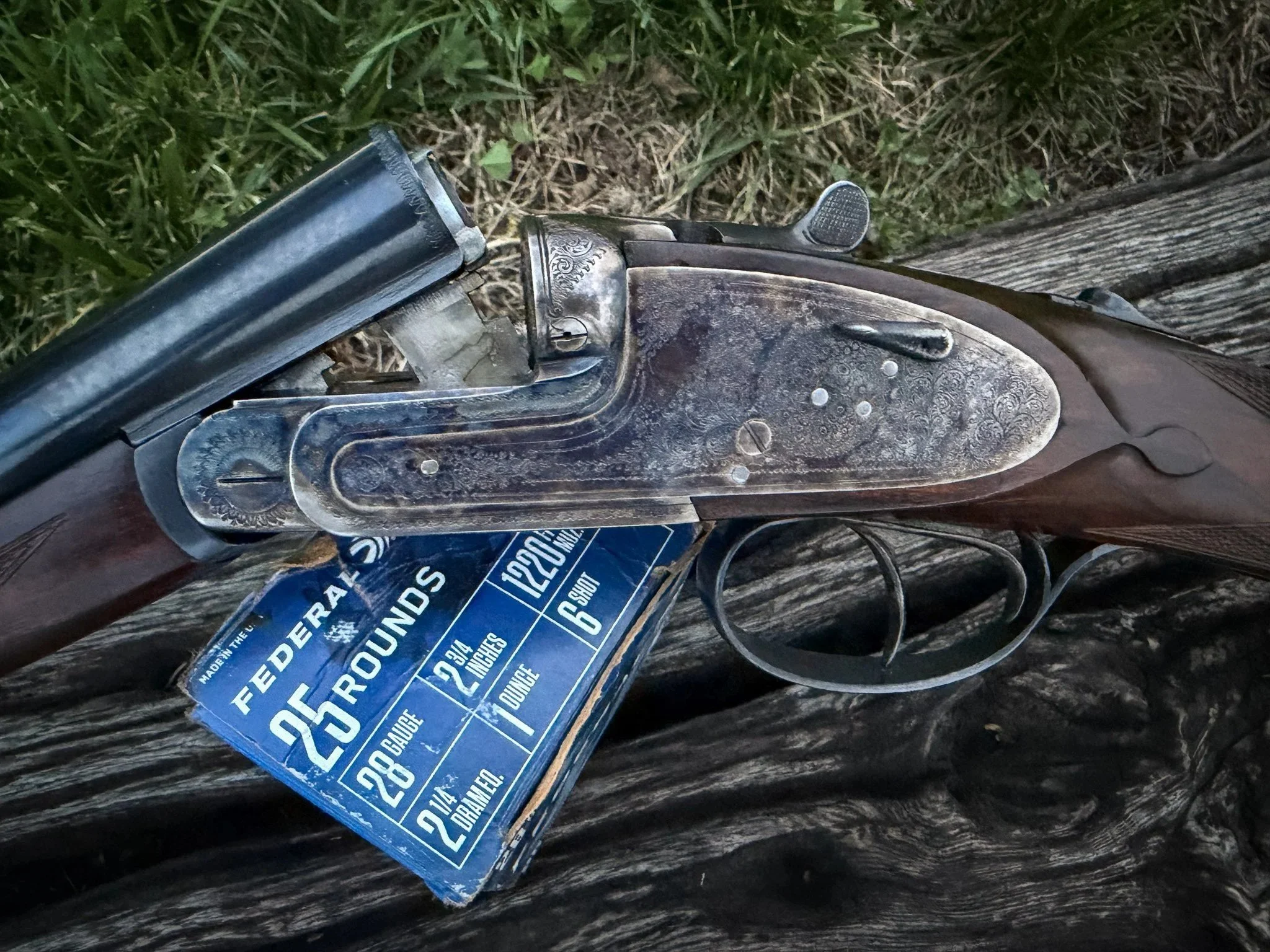
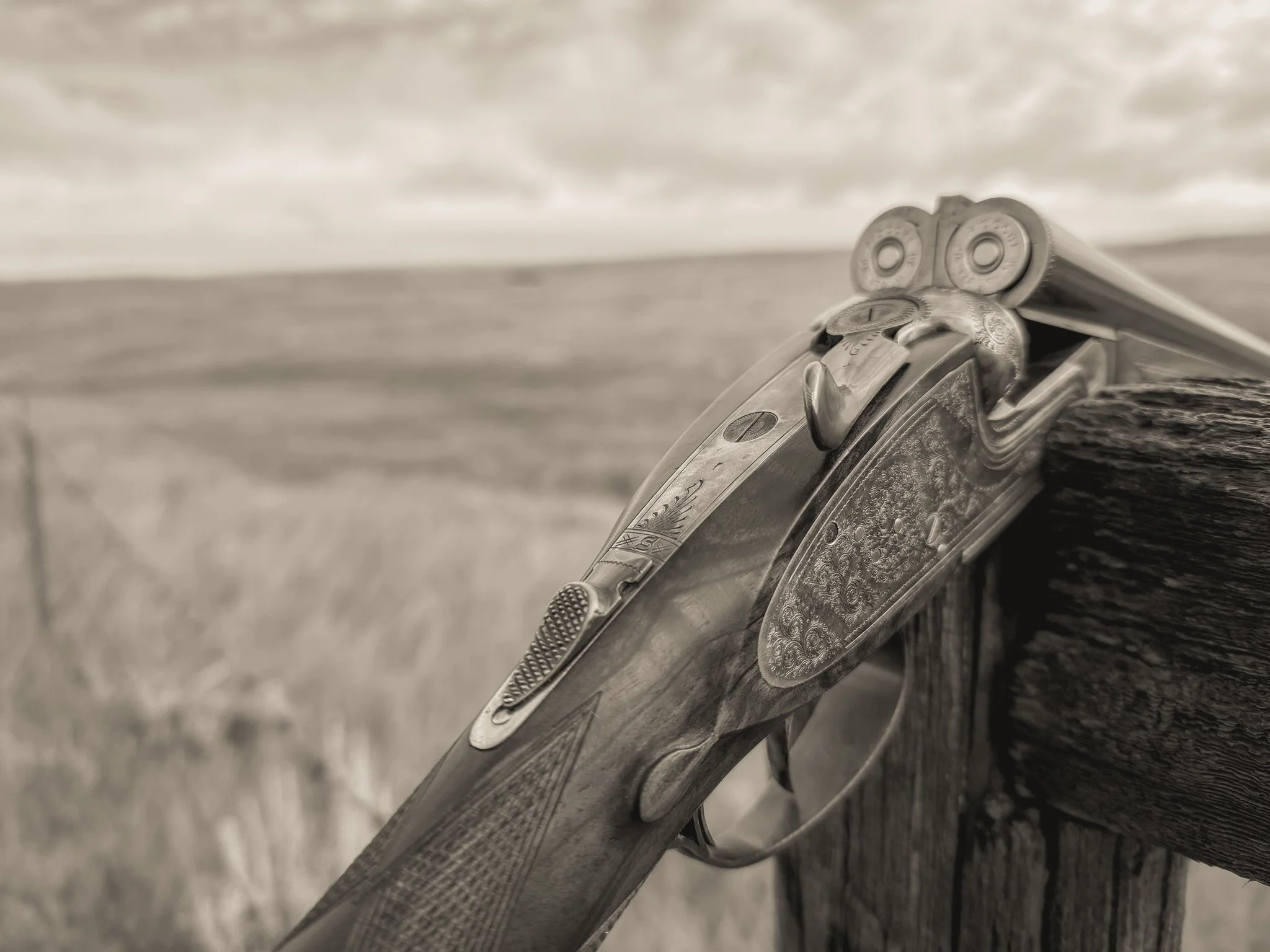
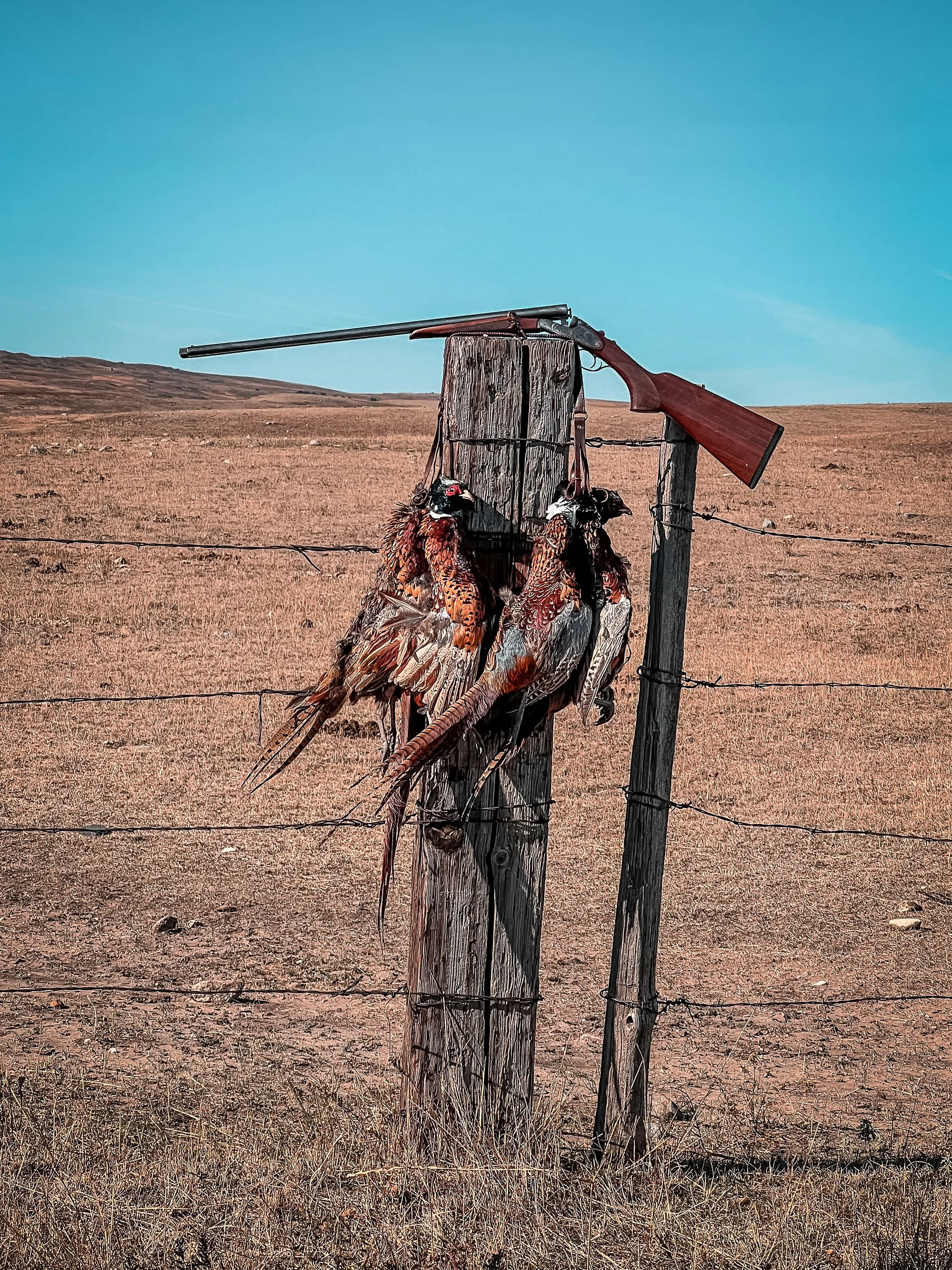


The stock is a Prince of Wales, although you might call it a Pistol Grip depending on your eye.